


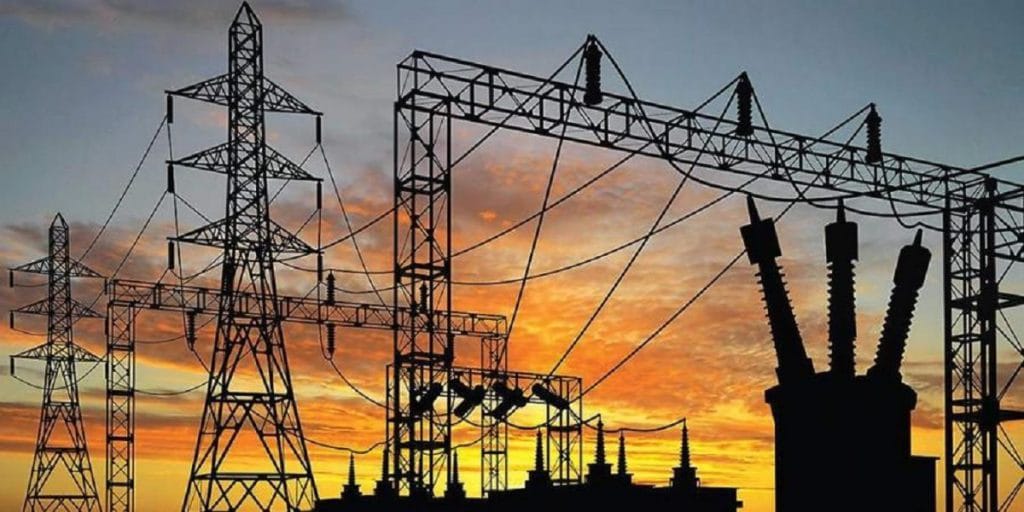
Port Harcourt has been battling yet another season of erratic electricity supply, leaving residents frustrated and businesses struggling. Many households are forced to rely on noisy generators, burning through expensive petrol and diesel just to keep fans, refrigerators, and essential appliances running. The heat only makes the situation worse, as families spend long hours trying to stay comfortable while managing rising costs.
Frequent collapses of Nigeria’s national grid have only deepened the electricity crisis in Port Harcourt.. The interruptions disrupt daily life, spoil food, slow business operations, and increase living costs. For a city already grappling with aging infrastructure, vandalism, and fuel shortages, the instability of the national grid compounds the burden, turning power supply into an unpredictable and expensive necessity rather than a reliable service.
Businesses face unplanned downtime, lost productivity, and higher operating costs. Even hospitals, schools, and other essential services are affected, relying on backup generators or solar systems to maintain operations.
Also see: NDDC Delivers Ogu Community Road Network, Royal Hall
The causes of the crisis are both local and national. Port Harcourt receives only a fraction of the electricity it needs due to limited generation and uneven distribution. Aging transmission lines, damaged feeders, and vandalism of transformers and power towers exacerbate outages.
Gas shortages for power plants, caused by pipeline vandalism, supply disruptions, and disputes between suppliers and generators, further reduce generation, triggering widespread load shedding across the city.
Experts argue that sustainable solutions require both national reforms and local investments. Upgrading transmission infrastructure, securing power installations, and diversifying energy sources with solar or mini-grids could relieve the pressure.
Without these measures, residents will continue to endure long hours in the heat, dependent on costly generators, while the city’s economy bears the cost of unreliable power.
