


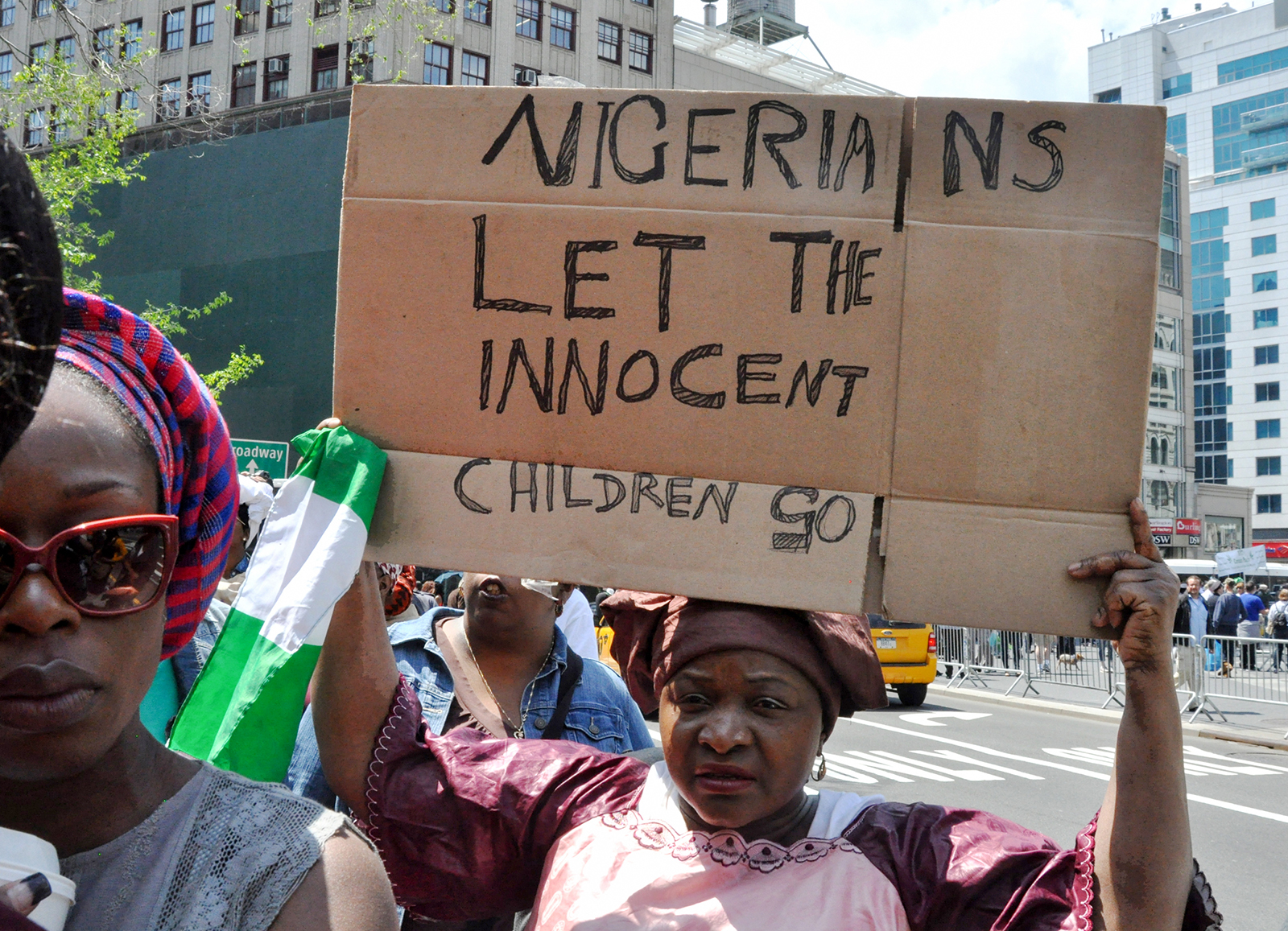
Children are still being held captive. Bandits move across vast stretches of the country with the ease of men who fear no consequence. Farmers have abandoned their land. Investors have fled. Millions are grinding through daily life under inflation that has turned survival into an achievement.
And in the middle of all this, one of the most anticipated document releases in modern Nigerian political history has vanished into a fog of deliberate silence.
Not a delay. Not a technical setback. Silence.
No explanation from the agencies. No statement from the lawyers. No clarity from Washington. Just the slow, suffocating quiet of people who have decided that the public does not deserve an answer.
The deadline came and went. Ask yourself what that silence costs.
Every day it continues, the theories multiply. Every week without explanation, the suspicion deepens. The Nigerian government has spent enormous energy trying to manage its public image — press conferences, choreographed appearances, carefully worded denials. But no amount of public relations can neutralise the one question that refuses to go away:
What exactly is everybody afraid of?
If the records contain nothing of significance, release them and end the speculation.
If the records are legally exempt, explain the exemption and let the public judge.
If further proceedings prevent disclosure, say so clearly and on the record.
But do not insult the intelligence of 220 million people by pretending that silence is a neutral act.
Silence is a choice.
And Nigeria is watching who is making it.
The tragedy is that this story long ago stopped being about any single man.
It is now about something larger and more dangerous: whether power in Nigeria comes with any accountability at all. Whether ordinary citizens are expected to live under one set of rules while those at the summit of political life operate under another. Whether truth, in this country, is something that can simply be managed, delayed, and eventually buried beneath enough noise and enough time.
Across Nigeria, millions have already reached their own conclusions. They see a presidency drowning in controversy and struggling to hold its narrative together. They see a government that answers hard questions with loud distractions. They see a country moving — unmistakably, undeniably — in the wrong direction.
What they do not see is accountability.
Every week brings fresh reports of violence. Every month brings new allegations of waste, cronyism, and the quiet redistribution of national resources toward familiar names. Every year brings a new cycle of promises.
And the country continues to drift.
Also Read: http://INEC Probes Alleged Leak of Voter Data From CVR Database
History records a brutal truth that every government eventually learns too late: nations do not collapse because citizens are angry. Anger can be managed, suppressed, or redirected. Nations collapse when citizens stop believing.
When the courts feel theatrical. When elections feel fraudulent. When the police feel like a threat. When every institution that is supposed to protect ordinary people begins to feel like one more instrument of their humiliation.
That is the precipice Nigeria is approaching.
Not because of the opposition.
Not because of foreign critics.
Not because of social media.
Because of the slow, cumulative death of belief itself.
The FBI and DEA records may ultimately prove dramatic. They may prove unremarkable. At this moment, nobody knows — and that is precisely the point. The fact that millions of Nigerians are waiting with that intensity, that urgency, that barely contained fury, says everything about where trust in this government currently stands.
When a population that desperate is hoping that foreign law enforcement files will finally tell them what their own government will not, the crisis is no longer merely political.
It is existential.
It is why you increasingly hear Nigerians speak not of politicians, not of parties, not of courts or commissions or constitutional processes. They speak of God. Because when every human institution has failed repeatedly and spectacularly, faith becomes the only architecture left standing.
Nigeria is approaching a moment that does not announce itself in advance.
It simply arrives.
The question — the only question that matters now — is whether the people in power recognise it before the rest of the country stops caring whether they do.
Kio Amachree writes from Sweden
