


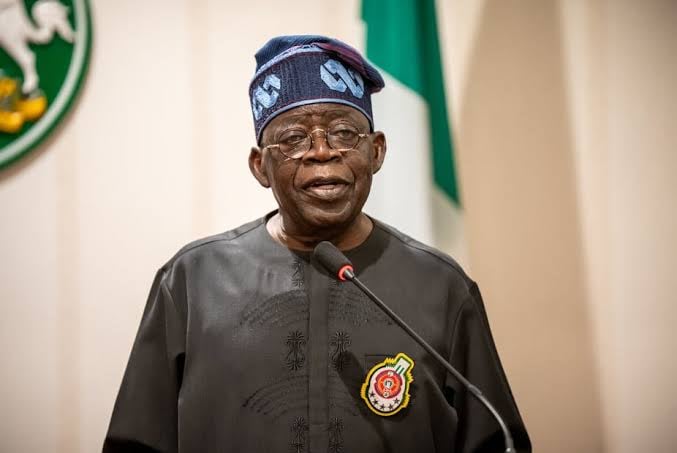
On October 9, 2025, the Council of State, convened at the State House in Abuja, authorized President Bola Tinubu to exercise his prerogative of mercy, benefiting 175 individuals. The decision stemmed from a detailed submission by the Attorney-General of the Federation, Lateef Fagbemi, based on recommendations from the Advisory Committee on the Prerogative of Mercy.
Among the recipients are notable historical figures, including Herbert Macaulay, a pioneer of Nigerian nationalism, and Major-General Mamman Vatsa, a former FCT minister under the Babangida administration. Macaulay faced convictions in 1913 for alleged estate fund mismanagement and in 1928 for sedition linked to his Lagos Daily News publications. It bears mentioning that historians continue to question the fairness of his trials.
Vatsa, executed on March 5, 1986, for an alleged coup plot against Ibrahim Babangida, remains a polarizing figure, with ongoing calls for his exoneration prior to yesterday. The list also includes members of the Ogoni Nine and Ogoni Four.
The Ogoni Nine, led by Ken Saro-Wiwa, executed in 1995 for their environmental activism against oil pollution in Ogoniland, and the Ogoni Four, chiefs killed in 1994 amid intra-Ogoni conflicts, were also pardoned, signaling reconciliation efforts. Full beneficiary names are yet to be released.
Of the 175 individuals, 82 received full pardons, 65 had their sentences reduced, and seven death penalties were converted to life imprisonment. Kaduna State Governor Uba Sani, addressing journalists post-meeting, emphasized that the decision reflects President Tinubu’s dedication to justice and prison reform.
Also see: 1,000 Rivers Women Empowered with ₦50,000 Grants by RHI, Rivers Govt
The Council, chaired by President Tinubu, also endorsed key appointments. Dr. Aminu Yusuf from Niger State was unanimously confirmed as Chairman of the National Population Commission, with Tonge Bularafa appointed as Federal Commissioner for Yobe State.
It bears mentioning that this move highlights a commitment to addressing historical injustices while advancing correctional reforms, aligning with broader efforts to ensure fairness in Nigeria’s justice system.
