


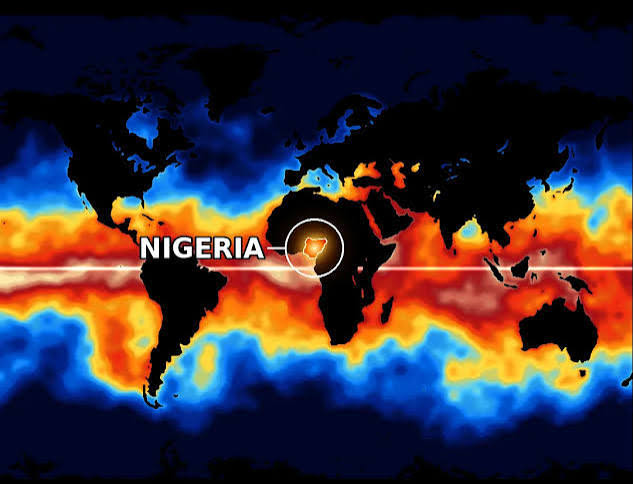
Climate change is no longer a distant warning. Its effects are increasingly reflected in rising temperatures, irregular rainfall, prolonged dry spells, and flooding across different parts of the world. One climate phenomenon that deserves closer attention is El Niño, whose effects can have serious implications for countries like Nigeria.
El Niño occurs when sea surface temperatures in the central and eastern tropical Pacific Ocean become unusually warm, disrupting normal weather patterns across the globe. It can contribute to drought in some regions while increasing rainfall and flooding in others.
For Nigeria, where millions depend on agriculture for their livelihoods, the potential consequences cannot be ignored. Irregular rainfall, extreme heat, and prolonged dry conditions can affect crop production, livestock, water supply and food security. Farmers who rely on seasonal rainfall may struggle to determine planting periods, while unexpected dry spells could damage crops and reduce harvests.
The consequences go beyond agriculture. Poor harvests can drive up food prices, worsen household hardship and increase pressure on an economy already battling rising living costs. This makes early preparation particularly important.
Unfortunately, Nigeria’s approach to environmental challenges has often been reactive. Governments frequently respond after communities have suffered the effects of flooding, drought or erosion. Such an approach leaves vulnerable populations exposed and makes recovery more expensive.
There is, therefore, a need for stronger investment in weather forecasting, climate research and early warning systems. Agencies such as the Nigerian Meteorological Agency (NiMet) must continue to provide timely weather information, particularly to farmers and rural communities.
State and local governments should also support climate-smart agriculture through improved irrigation, drought-resistant crop varieties and better farming techniques. Public awareness, water conservation, and environmental protection must equally become priorities.
Although El Niño is a natural climate phenomenon, its effects can interact with global warming to worsen certain weather extremes. Nigeria must understand these risks and make climate resilience part of its development planning.
The government cannot control El Niño, but it can reduce the damage through preparation, effective policies, and timely intervention. Waiting for disaster before taking action is no longer acceptable. Preparing today will cost far less than
