


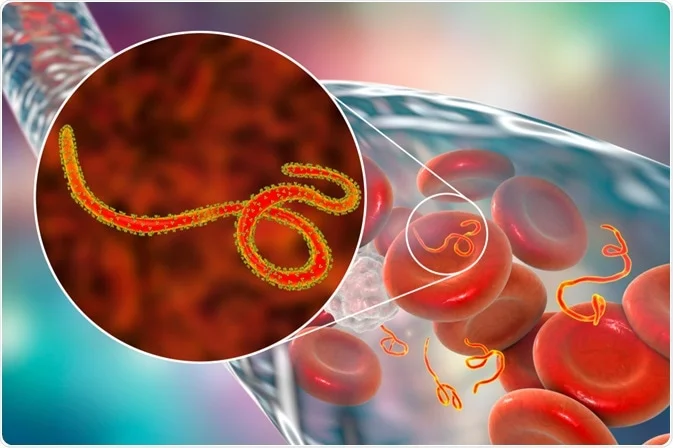
Following confirmation of an Ebola case in Abuja, health authorities have intensified response efforts, with the patient receiving treatment in isolation and 44 identified contacts being traced and monitored.
The Federal Ministry of Health and Social Welfare said laboratory tests confirmed the infection on October 20 in a woman who travelled from the Democratic Republic of the Congo through Uganda before arriving in Nigeria.
The case involves the Bundibugyo strain of the Ebola virus, while investigations into the likely source of infection continue.
Ebola is a severe viral disease that spreads mainly through direct contact with the blood or other body fluids of an infected person, or contaminated materials.
Here are five ways to reduce the risk of infection.
1. Maintain proper hand hygiene
Wash your hands regularly with soap and clean running water, especially after using the toilet, caring for a sick person, or touching potentially contaminated surfaces. Use an alcohol-based hand sanitiser when soap and water are unavailable, and avoid touching your eyes, nose and mouth with unwashed hands.
2. Avoid contact with body fluids
Do not touch the blood, urine, faeces, saliva, vomit or other body fluids of anyone suspected of having Ebola or confirmed to have the disease.
Avoid potentially contaminated clothing, bedding, needles and medical equipment. Care for suspected or confirmed patients should be handled by trained personnel using appropriate protective equipment.
Ebola survivors should also follow medical advice on preventing transmission, as the virus can persist in certain body fluids after recovery.
Read Also: us-commends-ndlea-over-four-mexican-linked-meth-labs-busts
3. Ensure safe handling and burial of deceased persons
The bodies of people who have died from Ebola can remain highly infectious. Touching, washing, or preparing the body during traditional funeral practices can expose mourners to the virus.
Only trained, properly equipped burial teams should handle the remains of suspected or confirmed victims. Families should follow public health guidance on safe and dignified burial practices.
4. Avoid contact with potentially infected wildlife
Some Ebola infections have been linked to contact with infected wildlife, including fruit bats and certain primates.
Avoid touching sick or dead wild animals, and do not hunt, butcher or handle potentially infected wildlife during an outbreak. Follow public health advice on bushmeat and ensure meat is properly cooked before consumption.
5. Seek medical attention after possible exposure
Anyone who may have been exposed to Ebola should contact health authorities promptly and follow their instructions.
Symptoms can develop between two and 21 days after exposure and may include fever, fatigue, muscle pain, headache, sore throat, vomiting and diarrhoea. Unexplained bleeding may also occur, although it is not present in every case.
Anyone who develops symptoms after possible exposure should seek medical attention immediately and inform healthcare workers about their exposure and travel history. Where possible, contact the health facility before arriving so staff can take precautions.
What Nigerians should know
The current case involves the Bundibugyo strain, for which there is no approved vaccine established for routine use. The Ervebo vaccine targets the Zaire ebolavirus species and should not be assumed to protect against the Bundibugyo strain.
Preventing further transmission depends on early detection, prompt isolation, contact tracing, effective infection prevention in healthcare facilities, and public awareness.
Nigerians are advised to remain vigilant without panicking, avoid spreading unverified information and follow updates from the Federal Ministry of Health and Social Welfare and the Nigeria Centre for Disease Control and Prevention.
