


Nigeria’s multibillion-naira petrol and diesel generator market is facing growing pressure as rising fuel prices, high maintenance costs, and increasing adoption of alternative energy solutions force households and businesses to reconsider their dependence on conventional generating sets.
The shift towards solar power, inverters, battery storage and gas-powered plants is gradually changing Nigeria’s electricity market, creating fresh challenges for generator manufacturers, importers, distributors and repairers.
With petrol selling above N1,350 per litre and diesel prices reaching between N1,650 and N1,900 in some areas, businesses that rely heavily on generators are struggling with rising operational expenses.
James Elesho, manager of an agro-allied company in Ogere, Ogun State, said his firm previously consumed between 200 and 250 litres of diesel daily to sustain production.
At prices ranging from N1,650 to N1,700 per litre, the company’s monthly diesel expenses could reach between N9.9 million and N12.4 million, excluding maintenance, transportation and other operating costs.
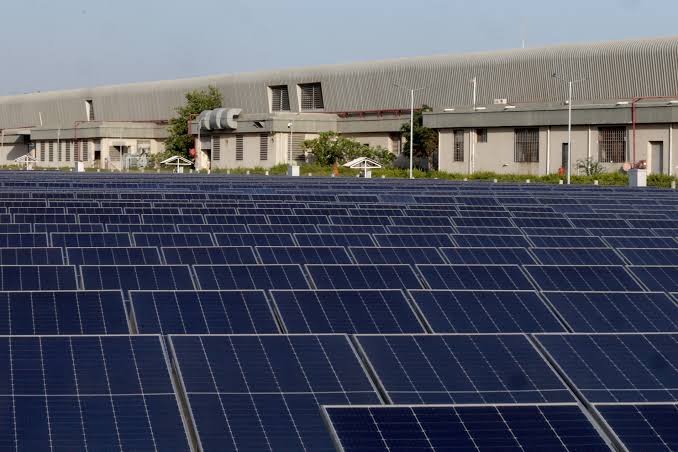
Elesho said the company had invested N89.7 million in a solar power plant, expressing confidence that savings from fuel expenses would help recover the investment within a year.
Similarly, a Lagos resident, Dorothy Ilebaye, said she abandoned her two generators after acquiring a solar-powered system worth N3.7 million in July 2026.
According to her, the system now powers her three-bedroom apartment and several household appliances, significantly reducing her dependence on petrol and public electricity supply.
She said the decision had eliminated monthly petrol expenses exceeding N200,000, alongside electricity bills that previously reached N40,000.
Solar Investments Gather Momentum
The growing shift towards alternative energy sources is reflected in Nigeria’s rising imports of solar equipment.
According to figures cited in the report, the National Bureau of Statistics recorded approximately 2.9 million solar panels imported into the country in 2025, valued at more than N435 billion.
The report also cited a July 2026 outlook by BloombergNEF, which identified Nigeria as one of the fastest-growing markets for small-scale solar installations in sub-Saharan Africa.
It estimated that the country added 3.1 gigawatts of small-scale solar capacity between 2024 and 2025, bringing cumulative installed capacity to approximately six gigawatts.
Read Also: fg-disputes-world-banks-assessment-of-nigerias-debt
Beyond solar energy, gas-powered electricity generation is also gaining ground among manufacturers seeking to reduce exposure to rising diesel costs.
Industrial areas across Lagos, Ogun and Oyo states are increasingly exploring gas-fired captive power plants and independent electricity arrangements to sustain production and improve competitiveness.
Generator Dealers Feel the Impact
The growing popularity of alternative energy systems has begun to affect conventional generator businesses, with some dealers reporting declining sales, reduced demand for spare parts and shrinking profit margins.
Jude Okafor, a generator importer at Alaba International Market in Lagos, said changing consumer preferences had made inventory management increasingly difficult.
He observed that many traders who previously depended on generators had switched to solar power, reducing demand for new generating sets and repair services.
However, industry observers say conventional generators are unlikely to disappear completely, given Nigeria’s substantial electricity deficit and the continuing power needs of households and industries.
Engr. Babs Oloketuyi, a licensed electrical engineer based in Lagos, said generators would remain relevant as backup systems for businesses transitioning to alternative electricity sources.
He added that manufacturers and distributors that fail to adapt to changing consumer preferences risk losing market share.
Manufacturers Explore New Opportunities
In response to the changing market, some established generator companies are diversifying into gas-powered systems, solar installations, battery storage, and integrated electricity solutions.
Mikano International, for instance, has expanded its operations into gas-powered generation, including projects serving Eko Atlantic City in Lagos and industrial customers.
However, smaller assemblers and importers face greater challenges because of the substantial capital required to transition into alternative energy technologies.
Industry experts expect the shift towards solar, gas and hybrid power systems to accelerate as technology improves, financing becomes more accessible and conventional fuel costs remain high.
While Nigeria’s generator market is not expected to collapse overnight, the growing availability of alternative electricity solutions is reshaping the industry, forcing businesses to adapt to a market where consumers increasingly seek more affordable and reliable power.
