


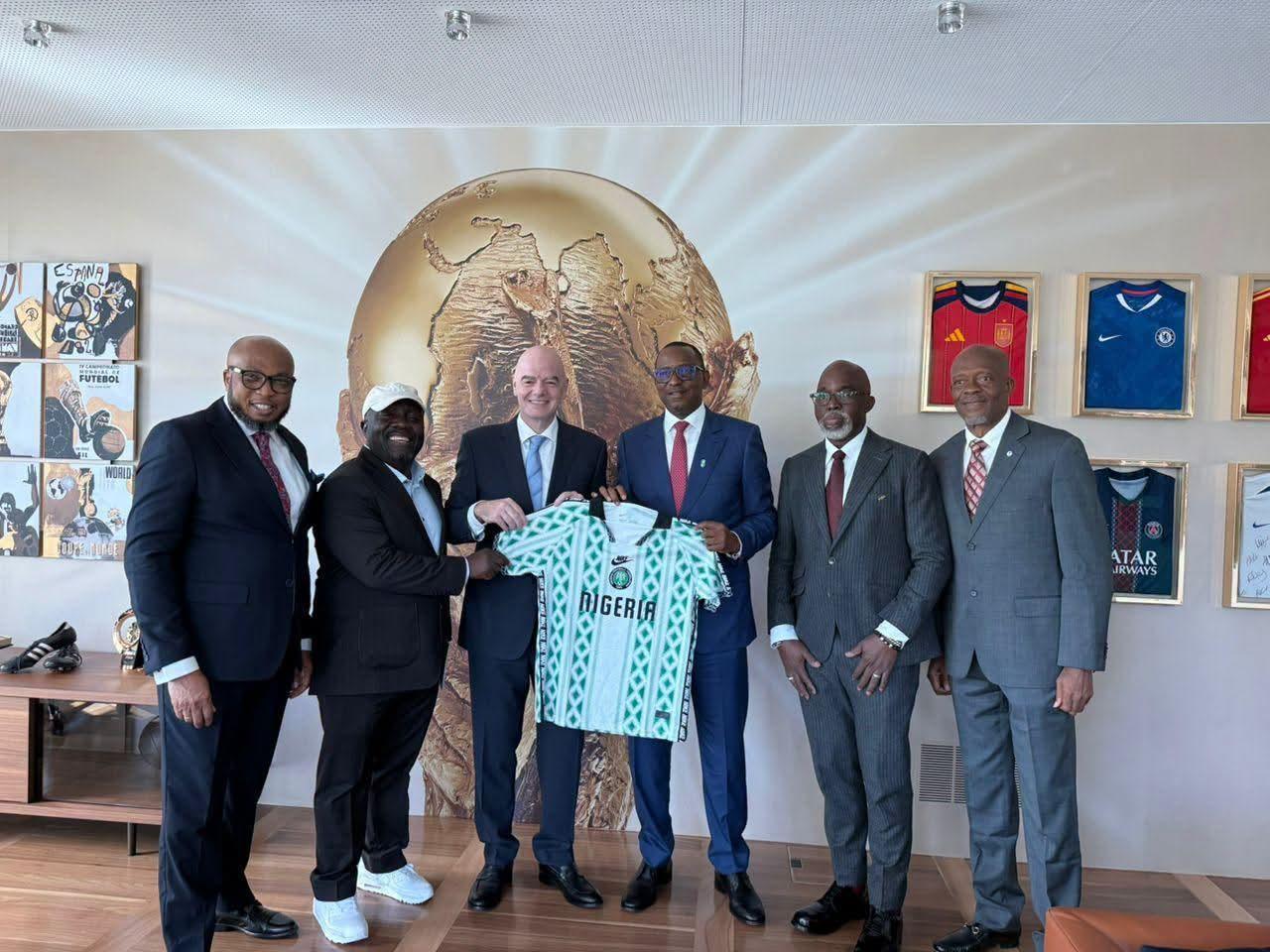
Questions surrounding the proposed FIFA Normalisation Committee for the Nigeria Football Federation (NFF) remain unresolved, particularly regarding its membership, funding arrangements and duration.
Reports in September 2026 indicated that the National Sports Commission (NSC) was expected to recommend eight candidates for consideration by FIFA, which would screen the nominees and determine the committee’s final composition.
The proposed intervention is intended to address governance challenges within the NFF and establish a framework for restoring an elected administration.
Who Will Appoint the Committee?
FIFA, football’s world governing body, has the authority to appoint a normalisation committee under its governance framework.
The NSC may recommend candidates and consult relevant stakeholders, but it cannot independently constitute a FIFA normalisation committee.
The proposed process involves submitting candidates to FIFA for consideration and background checks before appointments are confirmed.
The committee’s membership, leadership structure and terms of reference will depend on FIFA’s official decision.
Normalisation committees typically assume temporary responsibility for a national football federation. Their mandates may include managing the federation’s affairs, reviewing governance structures, addressing electoral concerns and organising elections.
Who Will Pay the Members?
FIFA is expected to finance the proposed committee and remunerate its members.
NSC chairman Shehu Dikko was reported to have explained that FIFA appoints and pays members of normalisation committees to carry out their assignments.
However, specific financial arrangements for the proposed Nigerian committee have not been publicly confirmed.
Outstanding details include the chairperson’s remuneration, members’ allowances, operational expenses and funding for administrative support.
FIFA’s responsibility for financing the committee would also be separate from the NFF’s wider financial obligations, which may continue during the normalisation period.
Will Foreigners Be Among the Members?
Whether foreign nationals will serve on the proposed committee remains unclear.
FIFA constitutes normalisation committees according to the circumstances of individual football federations, and membership is not necessarily restricted to citizens of the country concerned.
For Nigeria, FIFA could appoint an entirely Nigerian committee, include foreign football administrators alongside Nigerians or appoint Nigerians supported by technical experts from FIFA and the Confederation of African Football (CAF).
However, the nationalities of the proposed members have not been officially confirmed.
The distinction between foreign officials providing technical support and those formally appointed as committee members will also be important.
FIFA’s eventual announcement should clarify the composition of the committee.
How Long Will the Committee Stay?
The committee’s tenure will depend on the mandate and timeline approved by FIFA.
Dikko was reported to have indicated that a normalisation process could last between six months and one year, depending on the reforms required.
May 31, 2027, has also been mentioned as a proposed deadline for completing the assignment. However, that date has not been confirmed as an officially approved FIFA deadline.
The committee’s ultimate objective would be to restore an elected NFF administration in accordance with FIFA’s requirements and an approved electoral framework.
What Happens Next?
The next significant step would be FIFA’s formal announcement confirming whether the committee will be established and, if so, specifying its membership, leadership, funding arrangements and terms of reference.
Until then, the proposed eight-member structure, possible foreign participation and May 2027 deadline should be treated as proposals rather than confirmed decisions.
For Nigerian football, the central challenge will be ensuring a transparent transition to elected leadership while maintaining administrative continuity and meeting the NFF’s domestic and international obligations.
