


There are some weeks when death seems to arrive in clusters. The past few days have been one of those periods.
The world mourned Dolly Parton, the legendary American country singer and songwriter, who died at 80 after a brief battle with cancer. Her death was followed by that of British actor Tim Curry, also 80, remembered around the world for his unforgettable performance as Dr. Frank-N-Furter in The Rocky Horror Picture Show.
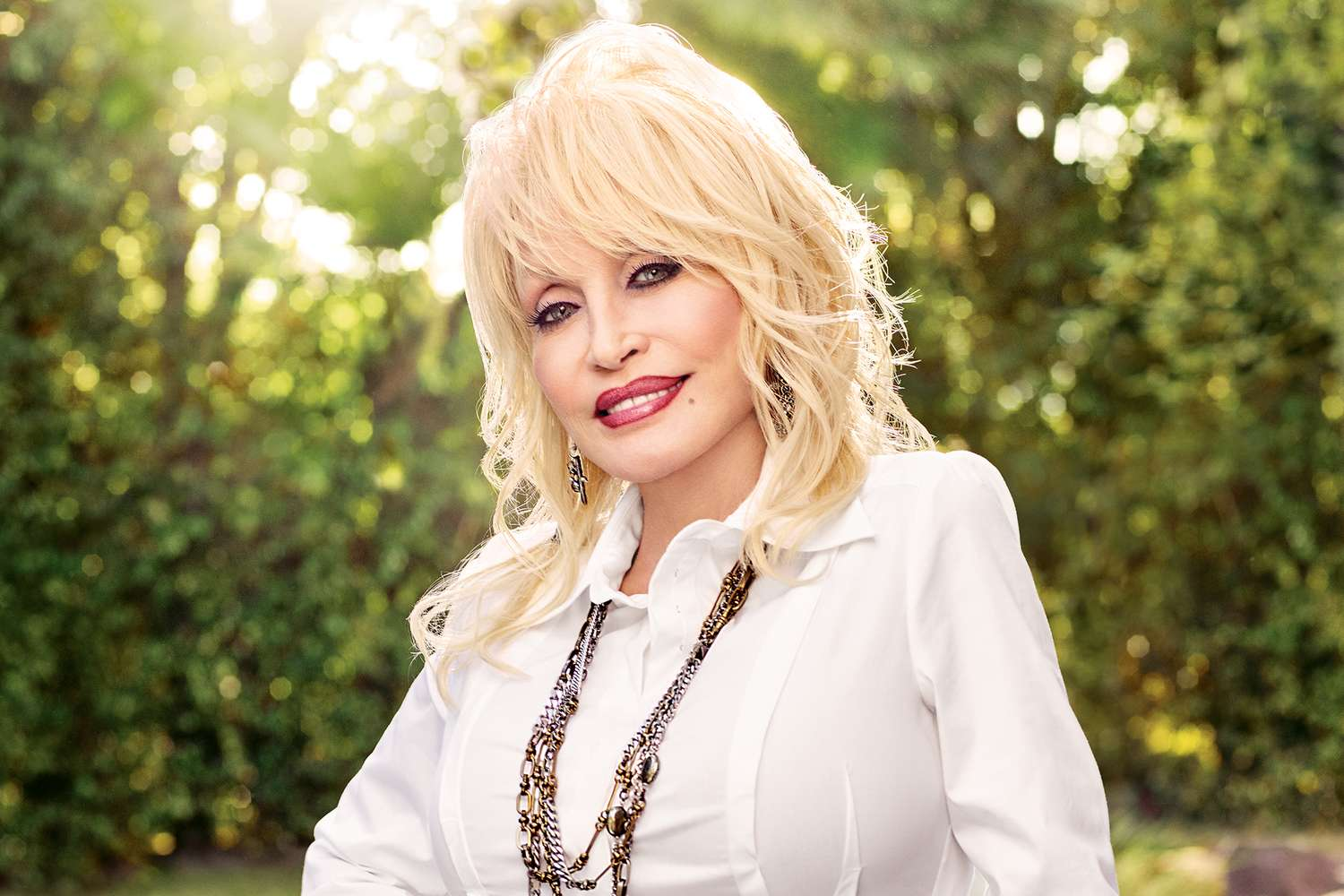
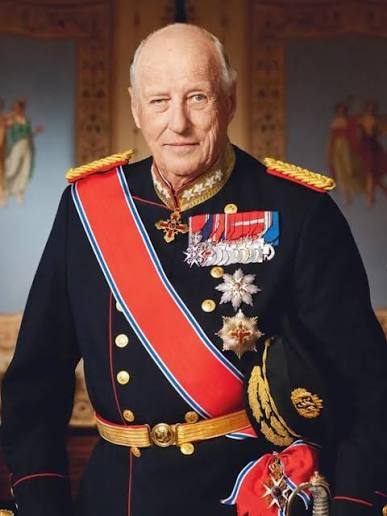
Then came the death of Norway’s King Harald V, who died at 89 after more than three decades on the throne.
In Nigeria, the death of Peoples Democratic Party chieftain Daniel Osi Orbih added another familiar name to the growing list of recent losses. Reports have differed over his exact age, with some publications putting it at 80.
Taken individually, none of these deaths is particularly surprising. People die every day, including people who have reached advanced old age.

But put the names together and something catches the eye. 80. 80. 89. 80. It is enough to make many people ask the same question: Why does it seem as though everyone is dying in their 80s?
The Decade of the Goodbye
The feeling is not entirely imaginary.
For much of the modern world, people are living longer than previous generations. That means the population of people reaching their 80s and beyond has grown substantially. And when a generation becomes large enough, the number of deaths within that generation naturally rises as its members enter the final stages of life.
There is another factor at work when the people involved are famous.
A death at 30 can be shocking. A death at 50 can be tragic. But when a person has spent five or six decades in public view, their death at 80 or 85 can feel like the closing of an era.
Dolly Parton was not simply an 80-year-old woman who died. She was Dolly Parton, a performer whose career stretched across generations, whose songs became part of popular culture and whose philanthropic work reached millions of people.
Her death therefore felt bigger than the death of one individual.
The same is true of Tim Curry.
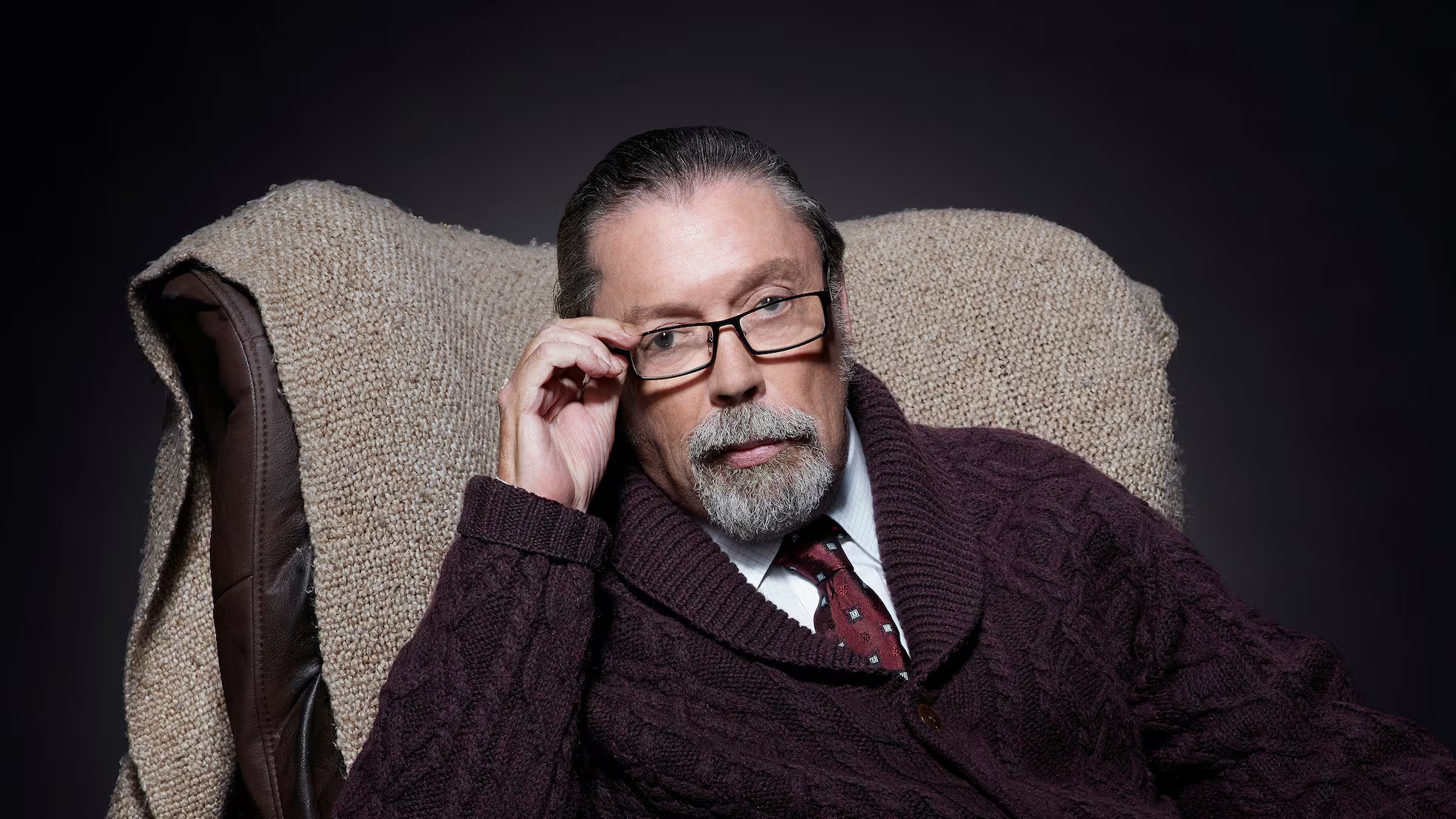
For one generation, he was Frank-N-Furter. For another, he was Pennywise in It. For others, he was the eccentric actor whose voice and theatrical presence appeared across films, television and stage productions.
When such a figure dies, people do not simply remember the person. They remember where they were when they first encountered the character.
That is one reason the deaths of people in their 80s can appear to come in waves.
A Generation Is Reaching Old Age
There may be something even more fundamental happening.
Many of the people who shaped global popular culture, politics, sport and public life in the second half of the 20th century were born in the 1930s, 1940s and early 1950s.
They are now entering, or have already entered, their 80s.
Dolly Parton was born in 1946. Tim Curry was born in 1946. King Harald was born in 1937.
Their generation grew up during a period of enormous change: the aftermath of the Second World War, the expansion of mass media, the arrival of television in ordinary homes, the civil-rights era, the Cold War, the space race and the emergence of modern popular culture.
They became the musicians, actors, politicians, writers, athletes and business leaders whose names became familiar across borders.
Now, decades later, they are becoming an ageing generation.
And because they are famous, we notice when they disappear.
Why the 80s Matter Biologically
There is also a less sentimental explanation. Ageing is not simply a number on a birth certificate. As people grow older, the body gradually becomes less resilient.
The risk of cardiovascular disease, cancer, stroke, dementia, infections and other serious illnesses generally increases with age. Muscle mass and physical strength decline. The immune system becomes less responsive. Recovery from illness or injury can become slower.
At 80, therefore, a person’s body is fundamentally different from the body they had at 40. This does not mean that reaching 80 is a countdown to death. Far from it.
Millions of people live well into their 90s and beyond. Some remain active, mentally sharp and professionally engaged deep into old age.
But statistically, the risk of dying rises substantially as people move through advanced old age.
That is why the 80s can appear repeatedly in obituaries.
But Are Famous People Really Dying More at 80?
This is where the story becomes more complicated.
The impression created by recent celebrity deaths can easily become an example of availability bias, our tendency to judge how common something is based on examples that are vivid and easy to remember.
We hear about Dolly Parton’s death because Dolly Parton was famous.
We hear about King Harald because he was a king.
We hear about Tim Curry because millions of people grew up watching him.
But thousands of ordinary people around the world also die every day in their 80s. Their deaths rarely generate international headlines.
The result is a distorted picture.
Our news feeds bring together the deaths of people from completely different countries and professions and place them beside one another. A singer in America, a monarch in Norway and a politician in Nigeria can appear on the same screen within 24 hours.
In previous generations, their deaths would have been separated by geography, newspapers and broadcast schedules.
Today, they arrive together on our phones.
That can make coincidence look like a pattern.
The Strange Comfort of Reaching 80
There is another side to the story.
For all the sadness surrounding these recent deaths, there is something remarkable about the ages themselves.
Dolly Parton reached 80 after nearly six decades in the public eye.
King Harald reached 89 after a 35-year reign.
Tim Curry reached 80 after a career that crossed theatre, film and television.
These are not stories of lives cut short.
They are stories of unusually long lives that left unusually large footprints.
And perhaps that is what makes the current wave of obituaries feel so profound.
We are not simply losing individuals.
We are watching a generation disappear.
The Real Question May Not Be Why They Died at 80
Perhaps the more interesting question is why so many of them survived long enough to become the people we knew.
Previous generations faced higher risks of dying from infectious diseases, cardiovascular problems and other conditions at younger ages. Advances in medicine, sanitation, nutrition, public health and medical technology have allowed more people to survive into their 70s, 80s and 90s.
The result is a world in which old age itself has become more visible.
And when the people reaching that age are the people who provided the soundtrack to our childhoods, acted in the films we watched, governed our countries or occupied our history books, their deaths become cultural events.
So, are unusually large numbers of famous people dying in their 80s?
Probably not in the way our emotions suggest.
What we may actually be witnessing is something more ordinary and, in its own way, more profound.
A generation is getting old.
And because that generation spent its life in the public eye, we are watching it age, one obituary at a time.
The names will continue to come.
Some will be 80. Others will be 85, 89, 92 or 100.
But when another beloved figure dies at 80, we may pause and ask the same question again:
Why does it seem like everyone is dying in their 80s?
Perhaps the answer is that we have reached the moment when an extraordinary generation has finally reached the age when mortality becomes impossible to ignore.
