


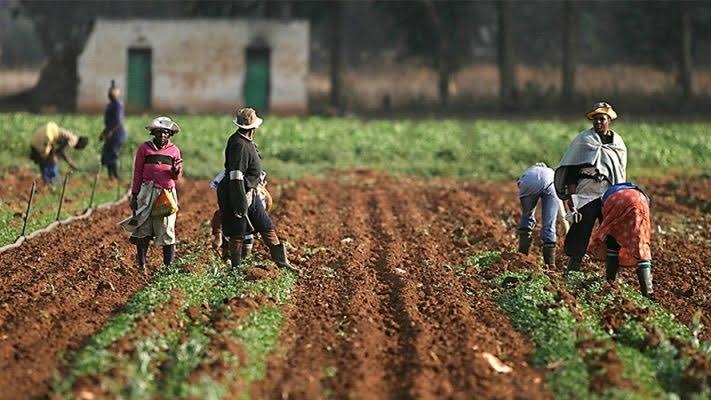
During the 2023 sesame season, we cultivated 30 hectares of sesame. Everything was going perfectly. Germination was good, growth was uniform, and the crop looked beautiful. As an agronomist, I was excited.
But there was one thing I didn’t prepare for: HARVEST. I was so focused on growing the crop that I underestimated one of the most important parts of sesame production: getting the crop out of the field at the right time. Sesame can humble you very quickly.
Once the pods become fully dry, they can shatter and release the seeds onto the ground. And once those tiny seeds fall, you are not harvesting them again.
To make matters worse, we had planted all 30 hectares without properly staggering the planting dates, so everything started maturing almost at the same time. Then harvest season came, labour became scarce, and we struggled to get enough people into the field. Some sections were drying rapidly, so I panicked and thought, “Let me buy a brush cutter. At least we can cut the sesame quickly.”
We bought one. But instead of saving us, the brush cutter was scattering sesame seeds everywhere. That was when I realized we had lost control of the harvest.
Read Also: nigerias-anti-corruption-war-justice-or-political-convenience
By the time we secured enough labour and properly harvested the remaining crop, we had lost about 5 hectares to shattering. Five hectares! Imagine investing money, labour, fertilizer, time, and months of your life into a crop, only to lose it because you didn’t plan the harvest properly.
Thankfully, we still harvested a significant quantity from the remaining hectares, with some sections producing around 1 tonne per hectare. But that season taught me a lesson I’ll never forget: Don’t only plan how you will grow your crop. Plan how you will harvest it.
Sesame production isn’t just about planting, fertilizer application, weed control, and pest management. Harvest management is agronomy too.
If you’re cultivating sesame commercially, stagger your planting dates where necessary, plan your labour early, know the expected maturity period, prepare your harvesting equipment in advance, and most importantly, don’t wait until the sesame is already shattering before thinking about harvest.
Losing those 5 hectares was painful, but it gave us experience no classroom could teach us. And that’s one of the reasons I created my new ebook, “THE COMPLETE GUIDE TO SESAME PRODUCTION.”
It’s built around practical sesame production knowledge, field experience, and lessons from real farm operations, not theory alone. If you’re planning to cultivate sesame commercially and want to avoid some of the expensive mistakes farmers make, this ebook will be valuable to you.
Don’t wait until your sesame is already on the ground before you learn how to harvest it.
By Umaru Ezekiel Esude
