


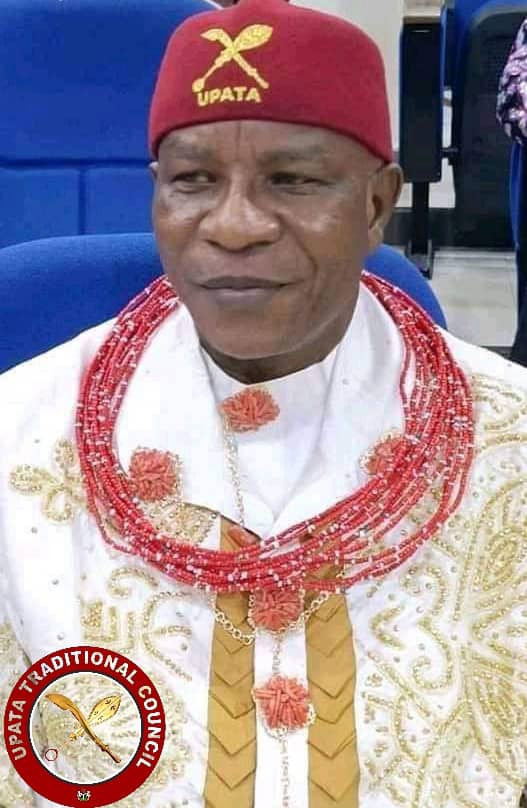
His Majesty Ny’údū Dr. Felix Otuwarikpo has called on residents of Úpátá communities to embrace peace, unity, inter-ethnic harmony and good neighbourliness.
The monarch made the call on Saturday, August 15, during a traditional wrestling event in Udebu, where he highlighted the importance of dialogue and peaceful coexistence in addressing the socio-economic and security challenges facing the country.
He said improved security remained critical to accelerating socio-economic and political development across communities, including Úpátá Kingdom.
Ny’údū Otuwarikpo also urged governments at all levels to introduce policies and programmes capable of cushioning the effects of the current economic hardship and improving the living conditions of Nigerians.
He commended the leadership of Udebu Community for using the traditional wrestling event to bring people together and promote the cultural heritage of the land.
The monarch particularly praised the Ny’údū Ulá Udebu, Chief Uche Reuben Uturu, for his cordial relationship with various organs of governance in the community and his commitment to effective leadership.
He urged community leaders to demonstrate exemplary leadership and promote unity and synergy among their people, noting that such qualities were essential to earning the respect and support of citizens as custodians of customs and traditions.
Speaking on the significance of traditional wrestling, Ny’údū Úpátá III said Ètä was more than a sporting contest, describing it as a cultural institution that promotes unity, prestige, discipline and healthy rivalry among Úpátá communities.
According to him, traditional wrestling has historically been associated with harvest celebrations and served as a measure of bravery, strength and social standing.
He noted that Ètä had existed for centuries as an important social institution in Úpátáland, providing young men with opportunities to demonstrate skill, discipline, endurance and courage.
The monarch added that the practice, particularly within youth and age-grade groups, had helped strengthen communal bonds and foster healthy rivalry among neighbouring communities.
He said the physical strength and endurance traditionally demonstrated through the sport also reflected values that were important to agricultural and communal life.
