


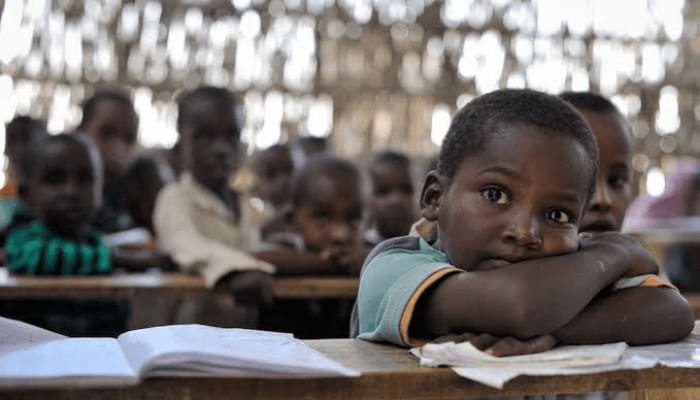
Term breaks exist for a reason. They are the pause button in a system that too often runs children like machines, and when we forget that, we don’t get sharper minds; we get burnt-out ones.
Think about what a break is supposed to do. Students rest. Teachers regroup. Families reconnect. Whether it’s a short mid-term pause or the long summer stretch now, these windows aren’t dead time; they are what makes the next term of learning friendly. Take away the recovery, and even the best-designed curriculum starts to feel like punishment.
Yet somewhere along the line, we decided rest was optional. We tell ourselves we’re raising “smart” children, but pressure without pause doesn’t sharpen a child; it wears them down. This is why some children walk into a new term already exhausted, having spent their “holiday” doing more school.
It’s why kindergartens, for many little ones, have become the same with imprisonment rather than discovery, and they cry whenever they reach the school gate. Somewhere between the assignments and the extra lessons, we’ve built an environment where children associate learning with tiredness, not interest.
Also Read: http://First Lady Oluremi Tinubu Applauds Wike for Revamping Abuja City Entrance
The evidence is in how fast we move to fill the break with more school. Just a week, sometimes two, into the holidays, “summer lessons” begin. Parents enroll their children not always because it helps learning, but because a full house of children is tiring to manage, and a few hours of quiet is worth the fee. The break, meant for the child, quietly becomes a break for the parent instead.
There is a better way. Summer lessons don’t have to mean more of the same classroom learning. They could be summer camps, spaces where children build friendships, gain independence, and simply have fun, run by properly registered, government-licensed organizations. They could be skill-acquisition programmes, delivered by credible brands, government bodies, or the schools themselves.
Schools already collect fees for holiday lessons; that same structure could be redirected toward something that makes children love learning rather than dread it. For children changing schools, these fun-first programmes could even serve as a gentle bridge, easing the anxiety of resumption in an unfamiliar environment.
None of this argues against learning during breaks. It argues against mistaking constant instruction for growth. Children are not factory machines measured every thirty days; they are young minds that need room to play, rest, and discover who they are outside a classroom. If we want a generation that loves learning, we must first let them breathe. The break was never the enemy of education. Robbing children of it might be. Let’s think of better ways to engage children next summer break.
