Nigeria has championed the development of inclusive and human-centered artificial intelligence (AI) policies aimed at protecting jobs and ensuring workers’ rights, while also leveraging the transformative capabilities of technology to foster economic growth and promote decent work.
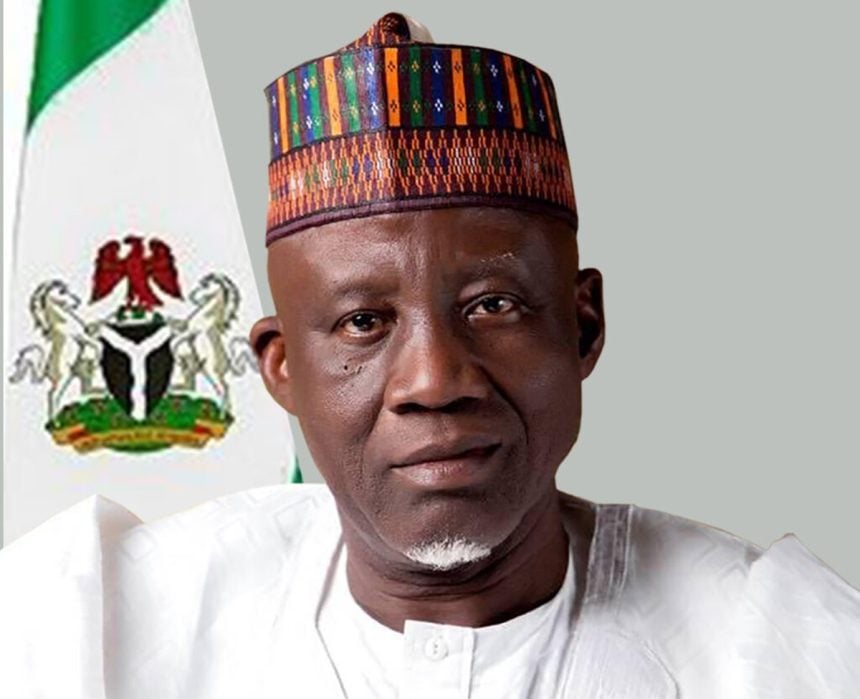
Minister of Labour and Employment, Dr. Muhammad Maigari Dingyadi, articulated this position while presenting Nigeria’s statement at the 114th Session of the International Labour Conference held in Geneva, Switzerland.
In his address, the minister responded to the report delivered by the Chairperson of the Governing Body and the Director-General of the International Labour Organization (ILO), titled “A Moment of Choice: Harnessing Artificial Intelligence for Decent Work.” He praised the leadership of the ILO for its resilience and dedication to fulfilling the organization’s mission despite facing global challenges.
A statement issued by the Head of Press and Public Relations, Annah Daniel, indicated that Dingyadi characterized the theme of the Director-General’s report as timely, emphasizing that the rapid progress in artificial intelligence is transforming labor markets, employment relationships, and workplace practices worldwide.
The Minister noted that while AI offers substantial opportunities for economic growth, innovation, and enhanced productivity, it also raises significant concerns regarding job displacement, increasing inequalities, and the diminishing role of human labor in various sectors.
He stated, “The world is advancing swiftly, driven by developments in AI, and as an organization, we must keep pace with these changes. While we embrace the positive transformations that AI brings, we must also consider the uncertainties it introduces.
”The Director-General’s Report has underscored changes that we are aware of and are likely already experiencing in our nations; the expanding labor markets and economies, the evolution of work organization, new types of employment relationships, and the technological changes that propel policy and institutional innovation.
These changes, while beneficial, also bring about a significant degree of uncertainty. As AI generates new employment opportunities, it may simultaneously lead to job reductions. In the areas where digital and AI systems are developed, there could be a diminishing of the traditional roles and importance of human contributions in the workplace.
Consequently, it is imperative that we adopt a balanced strategy that guarantees the advantages of AI are realized without compromising the achievements of decent work due to the associated risks.
Dingyadi further emphasized Nigeria’s commitment to digital transformation through targeted investments in innovation and technology.
He pointed out that the federal government has established the Ministry of Communications, Innovation and Digital Economy to implement policies designed to expedite the nation’s digital advancement and boost economic competitiveness.
He stated that Nigeria has made significant strides in automating public service operations and utilizing digital technologies to enhance governance and service delivery, with AI increasingly contributing to these reforms.
FG Seeks Inclusive Of Human-Centered AI Policies To Safeguard Jobs