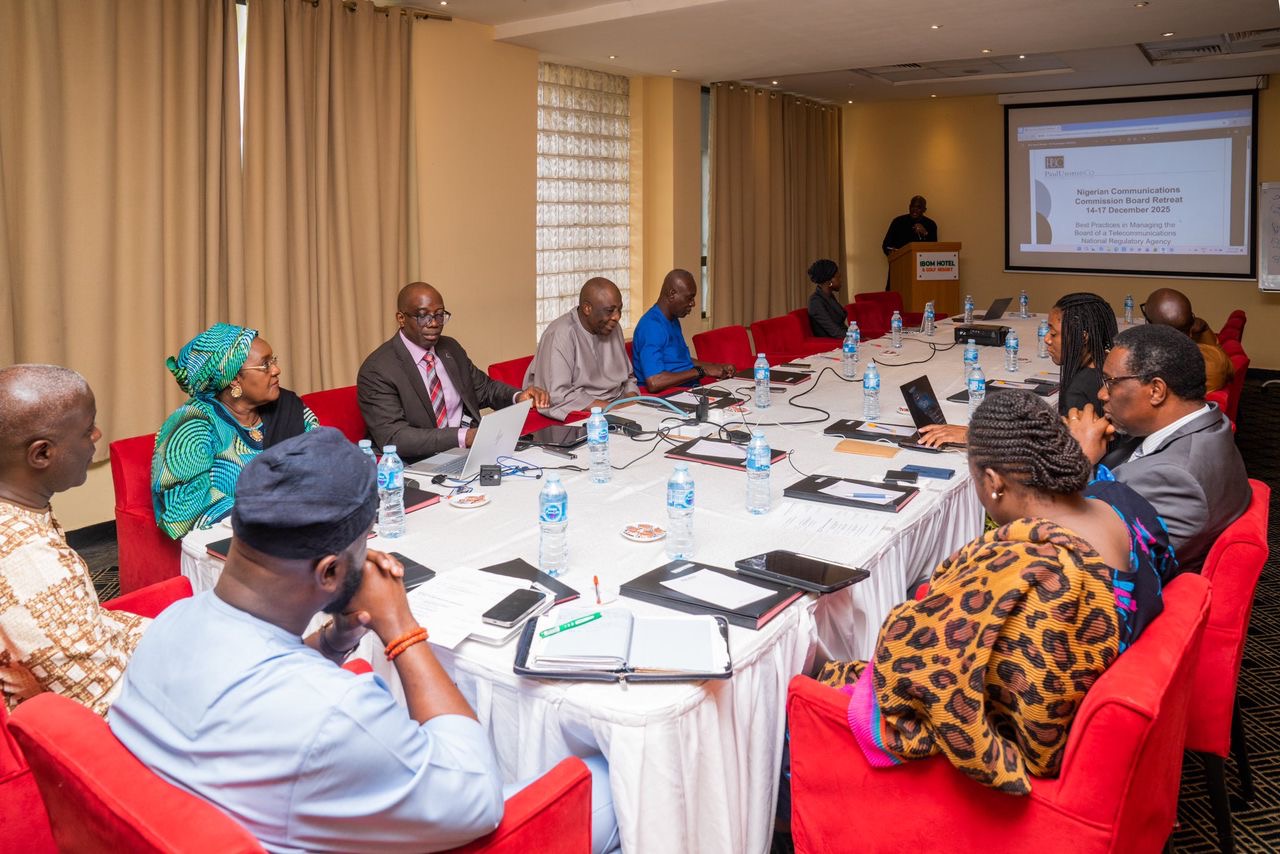
The Nigerian Communications Commission (NCC), which serves as the regulatory authority for telecommunications in Nigeria, has introduced draft regulations for mobile virtual network operators (MVNOs) as part of its initiative to enhance the emerging market.
The proposed document titled “Business Rules for Mobile Virtual Network Operations in Nigeria” has been released, and the NCC is encouraging industry stakeholders to share their insights. Feedback on the draft regulations can be submitted until June 29, with a public consultation scheduled for July 9.
The NCC’s proposed regulations delineate the duties and responsibilities of both MVNOs and host network operators (HNOs). This framework outlines the requirements for licensing, compliance, interconnection, management of numbering resources, handling of SIM and eSIM services, and agreements related to network hosting.
Moreover, the regulations are designed to guarantee fair access to telecommunications infrastructure and to minimize the delays that frequently occur when integrating MVNOs into current mobile networks.
The draft also encompasses guidelines concerning service quality, customer protection, network reliability, and data security. Failure to comply with these regulations may lead to administrative penalties or corrective actions in accordance with existing telecommunications laws.
Nigeria officially inaugurated its MVNO market in 2023, granting licenses to 25 operators for a total of US$ 4.3 million. Since that time, the NCC has issued approximately 40 licenses, with companies such as Vitel and Visafone already commencing operations.
Authorities perceive MVNOs as a strategy to bolster competition within the telecommunications industry and to improve service delivery to underserved and unserved communities.
As of March 2026, Nigeria reported 185.7 million mobile subscribers and 153.8 million internet users, according to NCC data. Despite the vast market, access to digital services continues to be inconsistent throughout the country.
Government data reveals that approximately 20 million Nigerians remain outside the digital realm, whereas estimates from the GSMA indicate that about 120 million Nigerians did not access mobile internet in 2023. Ongoing challenges, including elevated service costs and unreliable service quality, continue to afflict the telecommunications industry.
NCC Releases Draft Regulations For Mobile Virtual Network Operators In Nigeria