


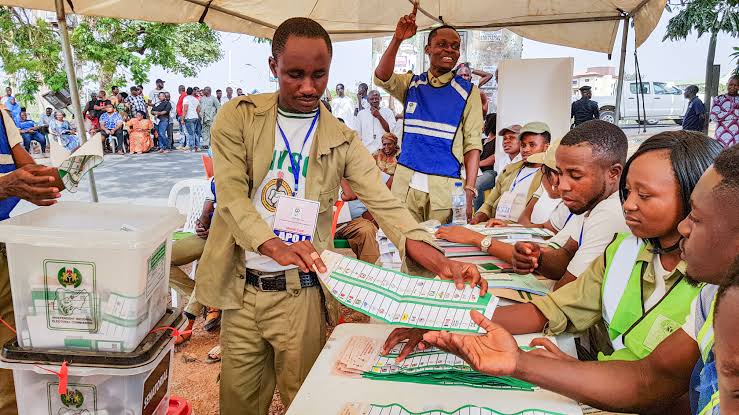
Political activity in Nigeria is gradually intensifying as key political actors begin early positioning ahead of the 2027 general elections. Although the current administration still has considerable time left in office, developments across the political landscape suggest that preparations for the next electoral cycle have already begun.
President Bola Ahmed Tinubu and the ruling All Progressives Congress (APC) remain the dominant force in the country’s political structure. However, opposition parties have increasingly begun exploring ways to reorganize and strengthen their chances in the next presidential election. Discussions about possible alliances among opposition groups have emerged in recent weeks.
Despite these discussions, the opposition continues to face internal divisions that have made the formation of a strong coalition difficult. Differences in political strategy, leadership ambitions and party interests have slowed efforts to build a united political platform capable of challenging the ruling party.
Also see: CBN Warns States Against Excessive Borrowing Amid Inflation Fight
Political participators note that the inability of opposition groups to consolidate their influence could give the ruling party an advantage going into the next election cycle.
At the same time, there are also indications of internal political calculations within the ruling party itself. As is common in Nigerian politics, questions surrounding succession, regional representation and political influence are gradually becoming subjects of discussion among party stakeholders.
The early emergence of political maneuvering has raised concerns among observers who believe that governance should remain the primary focus at this stage of the administration. Nigeria continues to face significant economic and security challenges, including inflation, unemployment and rising living costs, issues that require sustained attention from political leaders.
While political competition is a normal feature of democratic systems, the growing emphasis on future elections show the complex nature of Nigeria’s political environment, where electoral strategy often begins long before official campaign periods.
