


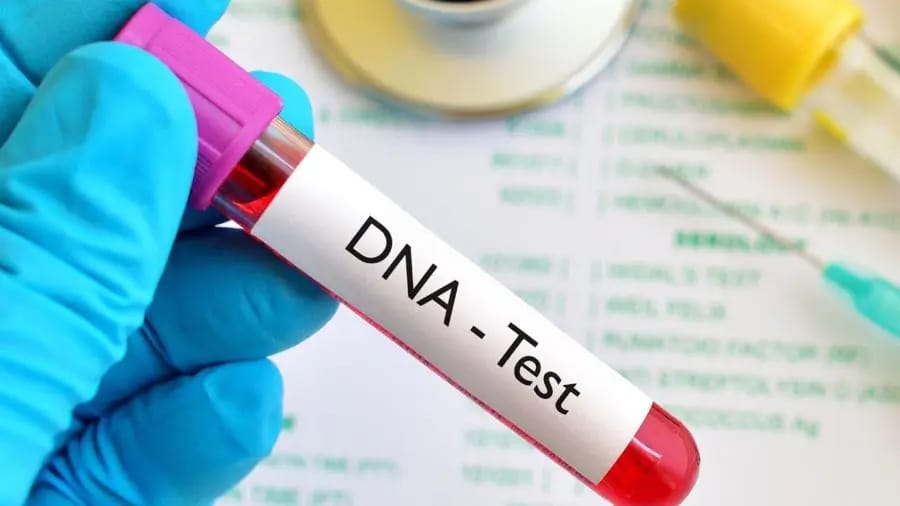
Paternity fraud in Nigeria, has gradually shifted from a private marital issue to a recurring topic in public entertainment and online discourse.
Recent viral podcast conversations involving men recounting alleged infidelity experiences have once again brought the subject to attention, with people deliberating on trust in relationships, and the growing reliance on DNA tests as the final word in disputes over fatherhood.
Across the country, private DNA testing laboratories in cities such as Lagos and Abuja report a steady increase in requests for paternity testing. While figures vary depending on case type and sample population, industry estimates suggest that roughly 20 to 25 percent of tested cases result in the exclusion of the presumed father.
However, it’s also noted that this statistic does not represent the general population, but rather individuals who already have strong doubts or suspicions before seeking testing.
The cost of DNA testing in Nigeria typically ranges from about eighty thousand naira to over five hundred thousand naira depending on whether the test is for personal confirmation, legal use, or immigration purposes. The growing affordability and accessibility of these services have contributed to a noticeable rise in demand, particularly among younger couples and families.
Public interest in the issue has also been shaped by viral stories and entertainment-driven commentary. Social media platforms frequently circulate accounts of men who claim to have discovered through DNA testing that they are not the biological fathers of children they had raised for years.
Also see: FG Steps Up Reforms to Tackle Out-of-School Children Crisis
While many of these stories remain unverified or anonymized, they create discussion and aid skepticism around paternity certainty.
Podcast platforms and online talk shows have further amplified these narratives. Episodes featuring guests discussing infidelity, secret relationships, and disputed paternity often trend widely, with audiences dissecting every detail in comment sections and blogs.
In some cases, stories tied to public figures or entertainers have also surfaced in online discussions, worsening the strength of the case.
The availability of DNA testing has simply made it easier to confirm or dispute paternity, bringing private doubts into the open rather than indicating a sudden increase in cases.
Nevertheless, the emotional impact of confirmed non-paternity cases remains significant, often resulting in family breakdowns, legal disputes, and long-term psychological consequences for those involved.
