


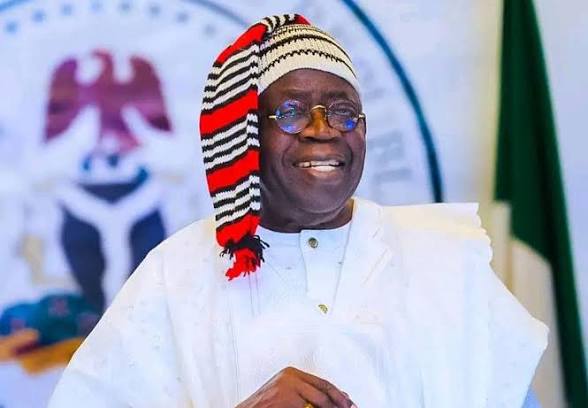
The recent request by President Bola Ahmed Tinubu for approval of a $516 million loan to finance the proposed Sokoto–Badagry Super Highway has started a renewed discussion about Nigeria’s borrowing culture and national priorities.
The highway is expected to connect Sokoto in the northern part of Nigeria to Badagry in the southwest, creating a major road corridor across the country. Government officials say the project will improve transportation, support trade, and help move agricultural goods from the north to markets in the south.
However, beyond the promise of a major highway, the proposal raises several important questions.
Nigeria is currently dealing with serious economic challenges. Many citizens are struggling with high prices of goods, rising cost of living, unemployment, and economic uncertainty. At a time when people are asking for improvements in electricity, healthcare, education, and job opportunities, citizens are questioning whether another major loan should be a priority right now.
Also see: Nigeria Freight Agents Resist Dollar Charges For Empty Containers
Nigeria already has significant outstanding debts and his raises a important question: does the country need to take more loans at this time? Borrowing for infrastructure can support development, but it also increases the country’s financial obligations and future repayment pressures.
There are also questions about economic impact. Will the Sokoto–Badagry Super Highway deliver enough economic benefit to justify the loan? Will it significantly improve trade and transportation across the country? Or could the same resources be used more effectively in other sectors that directly affect everyday life for Nigerians?
Nigeria has seen several large infrastructure projects announced in the past that faced delays, funding problems, or failed to deliver their expected results. This history makes some people cautious about new large-scale projects funded through external borrowing.
The questions surrounding the proposed loan therefore, raises broader questions about fiscal responsibility, national priorities, and long-term economic planning.
As the National Assembly considers the request, the major question remains whether taking another loan for this project is the most responsible decision for the country at this point in its economic situation.
