


Six years after entering Nigeria’s crowded fintech space, digital banking platform PalmPay says it has grown its user base to more than 35 million a milestone that reflects both its rapid expansion and the wider shift toward digital finance in the country.
Launched in 2019 as a consumer payments app, PalmPay stepped into a market already dominated by traditional banks, rising fintech startups, and a strong reliance on cash transactions.
But while early success in the sector was often measured by how many users a platform could attract, the company believes that narrative is changing.
According to PalmPay, scale alone no longer defines success. The real challenge now lies in turning sign-ups into consistent, everyday usage becoming a platform people rely on, not just one they try.
That shift, the company explains, is closely tied to infrastructure. One of its key milestones has been integration into Nigeria’s broader payment ecosystem, including participation in the Nigeria Inter-Bank Settlement System (NIBSS) and its National Payment Stack.
This connection allows PalmPay to operate within a larger, interoperable network linking banks, fintech firms, and other financial service providers.
At this stage, the focus moves away from flashy features to something more fundamental reliability.
Transaction success rates, system uptime, and seamless service delivery now carry more weight than product differentiation in a space where multiple platforms are interconnected.
Still, PalmPay acknowledges that strong infrastructure alone doesn’t automatically translate to financial inclusion.
A significant number of Nigerians particularly in rural communities remain outside the formal financial system. In this context, the company says access is just as important as technology.
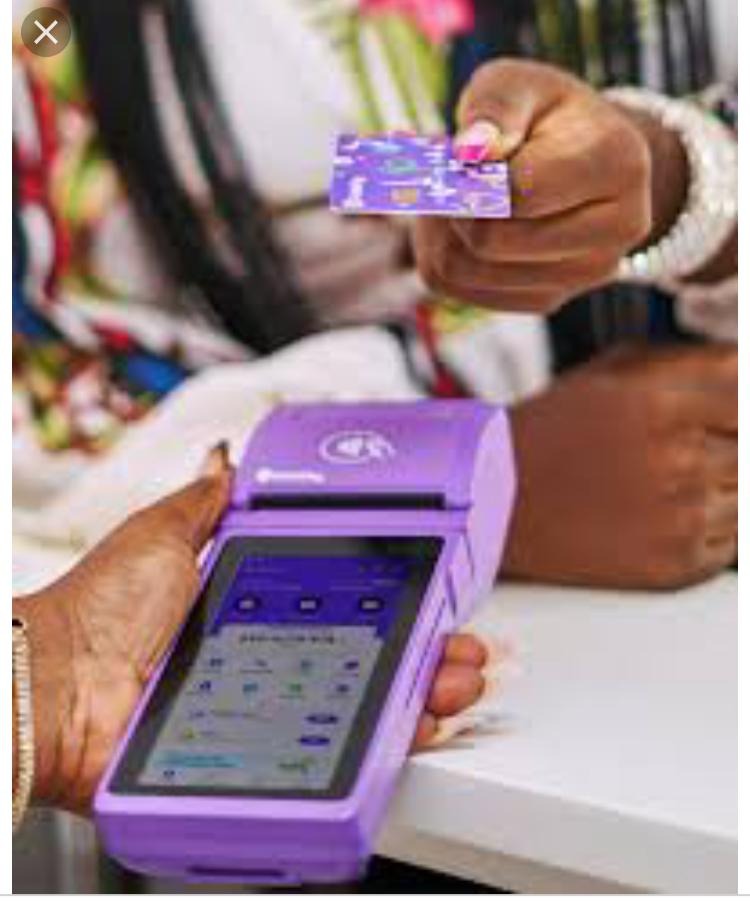
To address this, PalmPay has expanded its network of agents across the country, creating physical touchpoints where users can carry out transactions such as deposits, withdrawals, and account registration.
This blend of digital services supported by on the ground agents has become a defining feature of Nigeria’s fintech landscape, helping bridge the gap between cash-based habits and digital adoption.
Security is another area the company highlights as non-negotiable. With the rise in digital transactions comes an increased risk of fraud, making protective measures like biometric verification, real-time monitoring, and user safeguards essential not optional.
Beyond transactions, PalmPay says it is also investing in financial education, particularly for underserved groups such as women led businesses and first-time users.
The company notes that simply providing access to financial tools is not enough; users must also understand how to use them effectively.
In the end, PalmPay’s journey reflects a broader evolution within Nigeria’s fintech industry one where growth is no longer just about onboarding millions, but about building systems that are reliable, inclusive, and deeply embedded in everyday financial life.
