


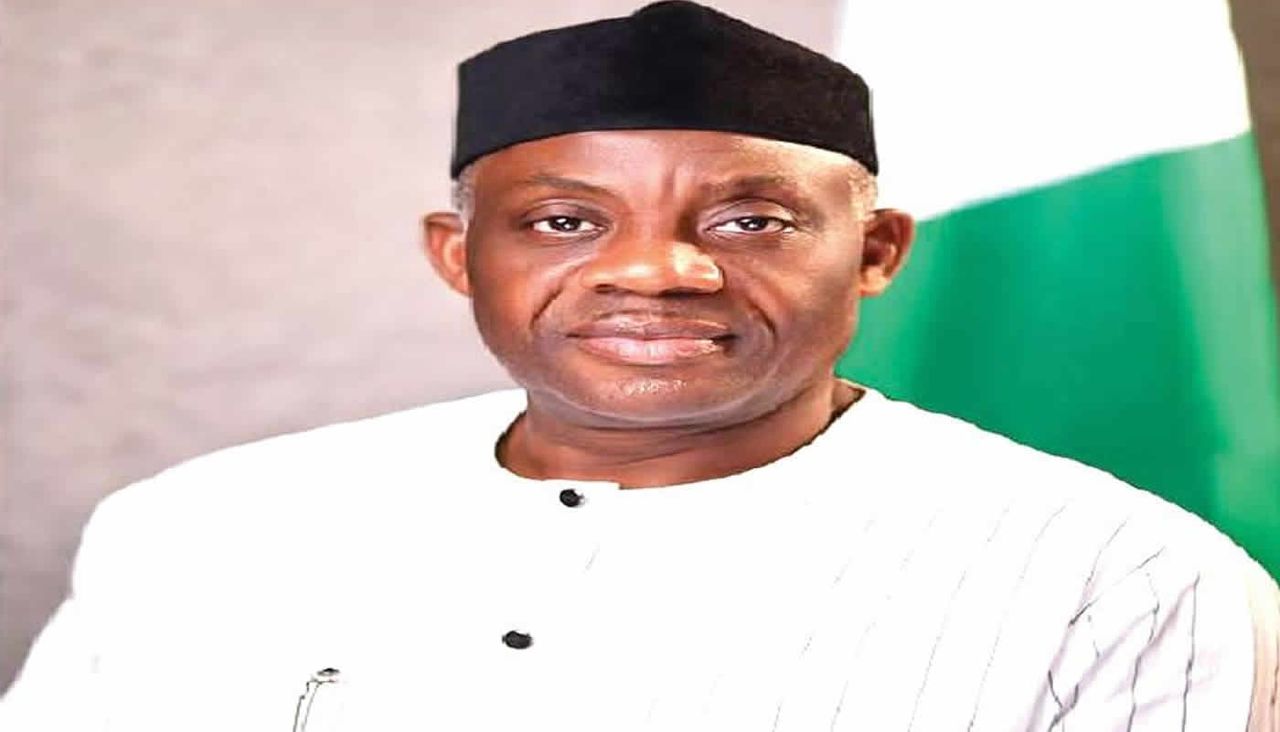
The Federal Government says it is ramping up efforts to reduce the number of out-of-school children through coordinated reforms and targeted programmes nationwide. Minister of Education, Tunji Alausa, made this known on Tuesday at the 2026 Basic Education in Nigeria Boot Camp Summit in Jos.
The three-day event, running from April 28 to 30, focuses on improving access to inclusive and quality education. Alausa described the meeting as timely, noting the urgent need to ensure every Nigerian child has access to basic education. He admitted that despite ongoing reforms, millions of children remain out of school, alongside concerns about declining education quality.
He identified key challenges affecting the sector, including poor infrastructure, shortage of qualified teachers, weak literacy and numeracy levels, limited use of digital learning tools, and uneven distribution of resources.
According to the minister, the government is prioritising foundational education through curriculum improvements, teacher training, digital learning expansion, and stronger monitoring systems. He added that these efforts align with the Renewed Hope Agenda of Bola Tinubu, which emphasises inclusive and equitable education.
News: Rivers Police Break Silence on 10-Day Detention of N43m Theft Suspect
Alausa also highlighted initiatives such as LUMINA 2030 and EduRevamp, aimed at addressing the out-of-school children challenge through long-term, sustainable strategies. Guest speaker Titus Syengo stressed the urgency of the situation, describing Nigeria’s estimated 18.5 million out-of-school children as a crisis requiring immediate action.
He urged stakeholders to adopt locally relevant, Africa-focused solutions. Meanwhile, Plateau State Governor Caleb Mutfwang, represented by his deputy Josephine Piyo, warned that the growing number of out-of-school children poses risks such as poverty, child labour, and insecurity.
He outlined steps taken by the state government, including the construction of 397 classrooms, renovation of 557 others, provision of boreholes, and distribution of school furniture to improve learning conditions. Mutfwang also announced plans to launch key policies, including guidelines to support alternative learning pathways and the re-entry of pregnant and married adolescent girls into school.
Minister of State for Education, Suwaiba Sai’di Ahmad, reaffirmed the government’s commitment to inclusive education, noting that the scale of the out-of-school crisis requires urgent and collective action from all sectors.
