


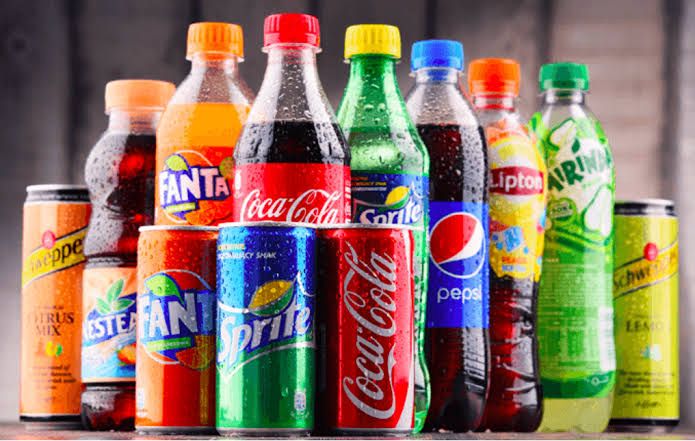
The World Health Organisation (WHO) has appealed to governments around the world to substantially raise taxes on sugary beverages and alcoholic drinks, warning that their low cost and wide availability are contributing to rising health crises.
According to the global health body, products such as sugar-laden drinks and alcohol are too cheap in many countries, encouraging excessive consumption that fuels obesity, diabetes, cancer and preventable injuries.
Speaking virtually to journalists on Tuesday, WHO Director-General, Dr Tedros Ghebreyesus, said taxing unhealthy products has proven to be an effective public health tool. He explained that higher levies help reduce consumption while also generating revenue that governments can channel into healthcare, education and social welfare programmes.
WHO data shows that at least 116 countries currently impose some form of tax on sugar-sweetened beverages. However, the organisation noted that many high-sugar products, including carbonated soft drinks, 100 per cent fruit juices, flavoured milk drinks and ready-to-drink teas and coffees, are often excluded from these taxes.
On alcohol, the report revealed that 167 countries apply taxes to beer, wine and spirits. Despite this, alcohol has become more affordable in many parts of the world since 2022 because tax rates have not kept pace with inflation and rising incomes.
Read more: Oyigbo Schools Get Free Textbooks, Learnng Materialss
WHO warned that the regular consumption of sugary drinks, even those marketed as refreshing or energising, is linked to serious health risks such as obesity, Type 2 diabetes, heart disease, dental problems and bone disorders. Alcohol consumption, it added, increases risks to maternal and child health, contributes to both infectious and non-communicable diseases, harms mental wellbeing and raises the likelihood of injuries and violence.
The organisation stressed that increasing taxes on harmful beverages has consistently led to lower consumption rates. As an example, Dr Ghebreyesus cited the United Kingdom’s introduction of a sugary drinks tax in 2018, which resulted in reduced sugar intake, generated an additional £338 million in revenue in 2024 alone, and contributed to lower obesity rates among girls aged 10 and 11, particularly in disadvantaged communities.
WHO is now urging governments to strengthen and redesign health taxes as part of a broader initiative aimed at reducing tobacco use and the excessive intake of alcohol and sugary drinks.
