


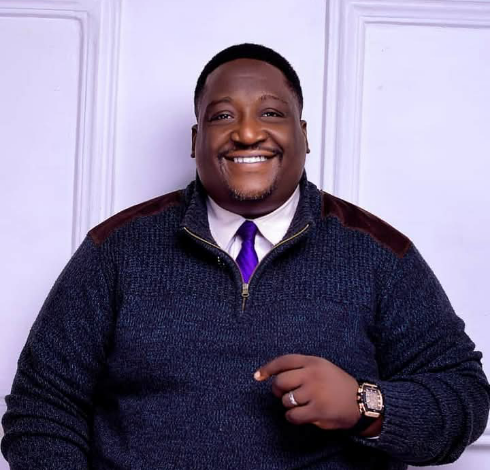
According to Port Harcourt-based entertainment lawyer, Lawrence E. Paul Esq., when the term “entertainment lawyer” comes to mind, many envision high-stakes contract negotiations, royalty disputes, and copyright infringement battles, but the reality of the common perception only scratches the surface of the profession’s true impact.
In a revealing commentary, Paul pulled back the curtain on what he describes as a “deeper layer” of the work—the critical role entertainment lawyers play in shaping the government policies that form the bedrock of the nation’s creative economy.
The Entertainment Lawyer’s Role in Government Policy, he wrote via his facebook social media page, is a facet often overlooked by the public.
“When most people hear ‘entertainment lawyer,’ they think of contracts, royalties, or copyright disputes,” Paul noted. “But there’s a deeper layer to what we do — we help shape the very policies that govern the creative economy.”
This function, he explains, positions entertainment lawyers as essential bridges between the government and the vibrant, often informal, creative sector. Their unique expertise allows them to translate the practical realities and challenges faced by artists, filmmakers, and musicians into the precise language of law and regulation.
Read Also: Port Harcourt Fashionista Clothes American Superstar
“From advising on copyright reform to lobbying for local content development, entertainment lawyers bridge the gap between government and the creative sector,” Paul elaborated. “We translate creative realities into legal language — ensuring that laws are not just written for the industry, but with the industry in mind.”
In the dynamic and rapidly expanding Nigerian market, Paul emphasizes that this advisory role has become indispensable. He points to several national reforms where the influence of legal experts in entertainment has been pivotal.
These contributions are evident in the development of the groundbreaking Copyright Act (2022), the ongoing regulation of Collective Management Organizations (CMOs) to ensure transparency, and the critical legal recognition of rights in the fast-evolving digital content space.
“We are not just legal technicians; we are policy architects, shaping frameworks that protect creativity, attract investment, and promote cultural growth.
“As the creative industry continues to expand, our presence in the policy room is just as important as our presence in the courtroom. The entertainment lawyer is not only a protector of rights, but a builder of systems.”
