


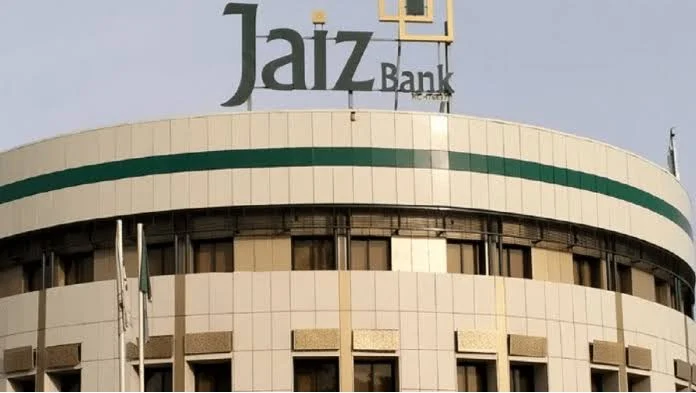
Jaiz Bank Managing Director, Dr Haruna Musa, has disclosed that the bank’s financing portfolio is approaching N800 billion, with more than N100 billion supporting trade in cocoa, cashew, and other non-oil export products.
Musa called for increased financing for exporters, micro, small and medium-sized enterprises (MSMEs), manufacturing and other productive sectors to stimulate economic growth and create jobs.
He spoke at a breakfast session of the 32nd Nigeria Economic Summit (NES32) in Abuja on Tuesday, where he highlighted the role of non-interest banking in expanding financial inclusion and supporting businesses.
Musa said banks must structure financing arrangements around the specific business models and cash flows of customers to ensure effective utilisation of funds.
He stressed the need to prioritise exports because of their potential to generate employment, earn foreign exchange and strengthen the economy.
The Jaiz Bank chief also identified solar energy as a key area for non-interest financing, urging financial institutions to support businesses across the entire value chain rather than focusing solely on solar installations.
He called for increased investment in agriculture, including farm inputs, processing and distribution, while advocating improved access to financial services for women, young people and rural communities.
Read Also: fg-approves-70000-monthly-transport-allowance-for-workers
Musa further highlighted digital banking and partnerships with financial technology companies as important tools for expanding access to financial services and improving customer experience.
He urged entrepreneurs to clearly communicate their financing needs to enable banks to develop suitable funding arrangements for their businesses.
Also speaking, Professor of Islamic Law at the University of Ilorin, AbdulRazzaq Alaro, said non-interest finance could promote job creation and shared prosperity by directing funds towards productive economic activities.
Alaro explained that Islamic finance principles, including risk-sharing, asset-backing and links to real economic activities, could support businesses and stimulate growth.
He identified the Salam financing contract as suitable for agriculture and Istisna as applicable to construction, infrastructure and projects involving the production or delivery of specified assets.
The professor also highlighted Nigeria’s National Halal Economy Strategy, which seeks to position the country to benefit from the global halal market estimated at $8 trillion.
He said Nigeria was targeting a contribution of up to $12 billion to its gross domestic product through the strategy in the coming years.
Alaro urged non-interest banks and other Islamic finance institutions to take advantage of opportunities in the halal economy by financing businesses capable of generating jobs, expanding production and improving livelihoods.
