


Twenty-two African countries were either already in debt distress or at high risk of falling into it as of July 2026, as rising debt-servicing costs continued to strain government finances and limit spending on essential public services.
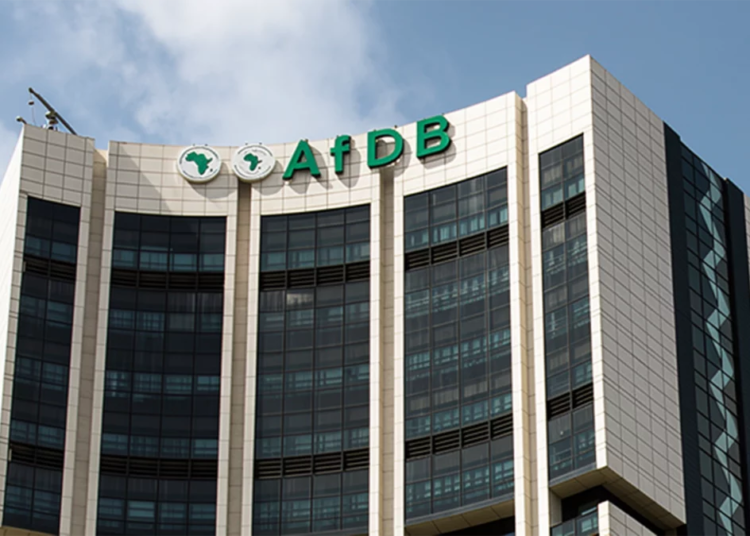
The African Development Bank (AfDB), in the November 2026 edition of its Africa’s Macroeconomic Performance and Outlook report, disclosed that 14 countries were at high risk of debt distress, while eight were already experiencing debt distress.
The report revealed that African countries spent approximately $87bn on interest payments between 2022 and 2024, representing 19 per cent of their total debt-service payments during the period.
It also showed that the proportion of government revenue allocated to external debt servicing increased from 23.7 per cent in 2017 to 31 per cent in 2024.
Interest payments on external debt alone accounted for 6.3 per cent of government revenue in 2024, further reducing the fiscal resources available for healthcare, education, infrastructure and other development programmes.
The impact was particularly evident in social-sector financing, with 25 of the 51 African countries with available data spending more on interest payments than on healthcare between 2021 and 2023.
The AfDB attributed the growing debt vulnerabilities to increased reliance on external commercial and domestic borrowing, rising government expenditure, weak domestic revenue mobilisation and reduced access to international financing.
According to the report, Africa’s public debt structure has also shifted away from concessional financing towards more expensive sources, including borrowing from non-Paris Club creditors, Eurobonds, commercial bank loans and syndicated facilities.
Read Also: cbn-nnpc-sign-mou-to-boost-forex-inflows-energy-financing
Commercial debt from private creditors increased from 12 per cent of Africa’s total debt in 2010 to 16.3 per cent in 2024, while the share of traditional bilateral creditors declined from 13 per cent to eight per cent over the same period.
Domestic borrowing has also expanded significantly, with Africa’s domestic debt-to-GDP ratio rising from 17 per cent in 2000 to 40 per cent in 2024, accounting for 60 per cent of the continent’s total debt.
The bank warned that greater dependence on commercial and domestic financing had increased debt-servicing costs and exposed governments to higher interest rates and tighter global financial conditions.
Despite the challenges, the AfDB projected a gradual improvement in the continent’s debt position, forecasting that the average public debt-to-GDP ratio would decline from 62.6 per cent in 2025 to 60.7 per cent by 2030.
However, it cautioned that the outlook remained vulnerable to weaker economic growth, rising interest rates, poor fiscal discipline and continued dependence on commercial borrowing.
Stronger US dollar conditions and tighter international financial markets were also identified as potential threats to the projected reduction in Africa’s debt burden.
On debt restructuring, the report disclosed that six African countries had restructured their debts since 2020 to create fiscal space and secure financial relief.
Senegal was identified as the latest country seeking debt restructuring under the G20 Common Framework, joining Ethiopia, Ghana and Zambia.
Although restructuring had helped Ghana and Zambia move from debt distress to high risk of debt distress, the bank observed that progress under the Common Framework had generally been slow.
The report also highlighted Zambia’s 2026 debt-for-energy conversion, undertaken with AfDB support, as an initiative that significantly improved the country’s debt profile.
To address the growing debt challenges, the AfDB called for stronger debt management, more productive utilisation of borrowed funds and timely debt relief for countries already experiencing distress.
It further urged reforms and stronger implementation of the G20 Common Framework to make sovereign debt resolution processes faster and more effective.
