


The African Group of Negotiators on Climate Change (AGN) has rejected any attempt to renegotiate the Paris Agreement, warning that reopening the global climate pact could undermine commitments already agreed by countries to tackle climate change.
The group maintained that changing the agreement, particularly provisions outlining countries’ obligations, was a red line for Africa, insisting that developed nations must fulfil their existing commitments rather than seek to alter the framework.
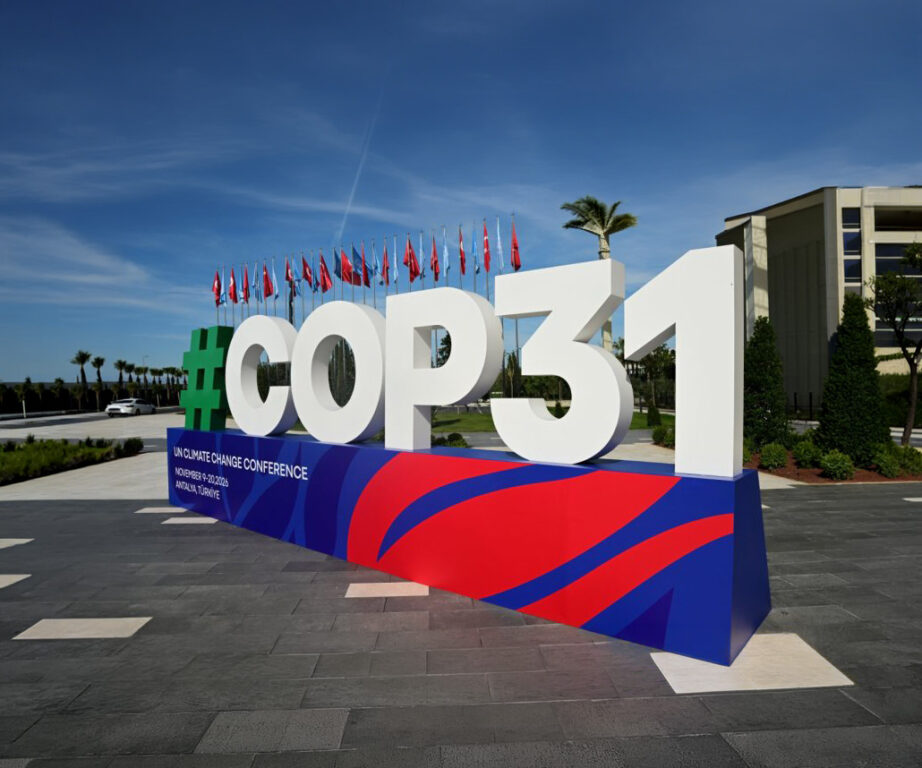
The position comes as negotiations at the 31st United Nations Climate Change Conference (COP31) in Antalya, Türkiye, approach their conclusion, with African countries demanding stronger commitments on climate finance, climate adaptation and support for vulnerable economies.
Speaking at a press conference on Thursday, AGN Chair, Dr Nana Antwi-Boasiako Amoah, said the continent would not accept any attempt to renegotiate the agreement, especially its provisions on national responsibilities.
He stressed that countries must remain within the framework they had collectively agreed to, describing any effort to revise existing obligations as unacceptable to Africa.
The position reflects growing concerns among developing nations that reopening climate commitments could weaken the responsibilities of developed countries to provide financial and other support to countries disproportionately affected by climate change.
Read Also: bua-chairman-wins-2026-silverbird-enterprise-award
Climate finance has emerged as a major point of disagreement at COP31 following changes to the proposed adaptation finance target in a revised draft decision released on November 19.
The earlier proposal sought to increase adaptation finance for developing countries to at least $120bn annually by 2035, based on tripling the $40bn annual commitment under the Glasgow Climate Pact agreed at COP26 in 2021.
Under the Glasgow commitment, developed countries agreed to double adaptation finance from approximately $20bn provided in 2019 to $40bn annually by 2025.
However, the latest draft removed the specific $120bn target and no longer identified the $40bn Glasgow commitment as the baseline for calculating the proposed increase.
Instead, paragraph 40 retained a commitment to at least triple adaptation finance by 2035, while paragraph 43 requested the UN Framework Convention on Climate Change Standing Committee on Finance to prepare a technical report identifying possible baselines. Paragraph 44 also proposed developing an implementation pathway for the target.
The removal of the specific financial figure has raised concerns among developing countries over how the proposed increase would be measured, funded and implemented.
African countries have consistently advocated predictable and accessible climate financing, preferably through grants or highly concessional funding rather than commercial loans that could worsen their debt burdens.
Addressing concerns about Africa’s capacity to implement climate commitments amid limited financial resources, Amoah said the continent’s demand went beyond securing additional funding to ensuring that the global climate finance system delivered resources on affordable terms.
The negotiations have further highlighted Africa’s position that developed countries must honour their climate obligations while providing adequate financial support to vulnerable nations facing the growing consequences of climate change.
