


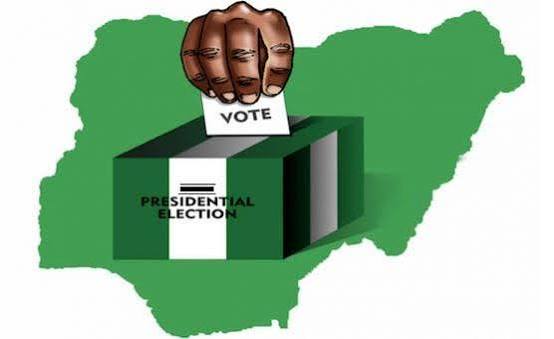
Every state should benefit once a president is elected, but will Nigeria’s political system permit that? Too often, the answer has been no. Federal attention tends to follow loyalty, and states that backed the winner are treated as friends while others wait their turn.
That is the logic behind Nyesom Wike’s appeal to supporters of Governor Siminalayi Fubara to join his own loyalists behind President Bola Tinubu’s second-term bid. Support the president, he says, and Rivers could see more federal appointments and projects. As a pitch, it is clear and practical, and Rivers people should still think twice before accepting it.
Favour that depends on loyalty lasts only as long as the relationship does. Rivers knows this better than most. Within two years it has seen impeachment proceedings against its governor, a divided Assembly and a six-month emergency rule. Allies became rivals and rivals became allies, and ordinary citizens paid for each turn. Appointments also reward a handful of people. They do not fix a road or staff a clinic.
The current peace is fragile too. Governor Fubara has declared the war over and backed Mr Wike’s coalition. Yet when the two men met this month, critics asked what the reconciliation meant while the governor still lacks a free hand in making appointments. Peace built on one side’s deference is a truce, and truces tend to break when the next ambition arrives.
Rivers voters should therefore judge candidates on quality. They should ask what a candidate has delivered, and what they would deliver whether or not Rivers is in their good books. They should ask whether the candidate respects institutions, and whether the benefits would reach a market trader in Diobu as surely as a political appointee in Abuja.
Nigeria’s system may not guarantee that every state benefits from a president’s election. Voters can still choose to demand it. A state that votes on merit, and expects development as a right, is harder to ignore than one that votes for favours and waits for them.
