


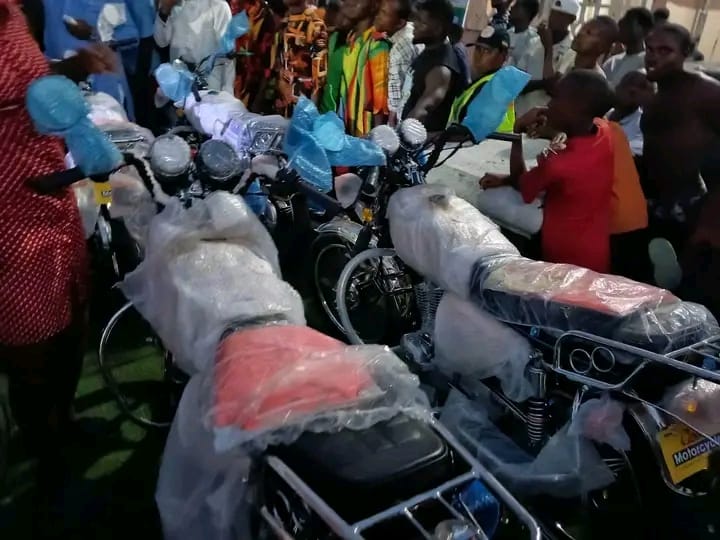
The fact that Hon. James Aforyagha James, the Chairman of the Opobo/Nkoro Local Government Area, has decided to distribute motorcycles, fibre boats and fishing nets to the residents should be commended as a practical measure for improving people’s livelihoods and for boosting the local economy.
Since many households are currently finding it difficult to meet their daily needs, any initiative which gives people the means of earning a living merits recognition.
The scheme, which forms part of the chairman’s first anniversary celebrations, is aimed at those residents who are involved in fishing and commercial transport. The Rivers State Ministry of Information and Communications states that the initiative is meant to promote productive economic activity and enhance the well-being of the people who will benefit from it.
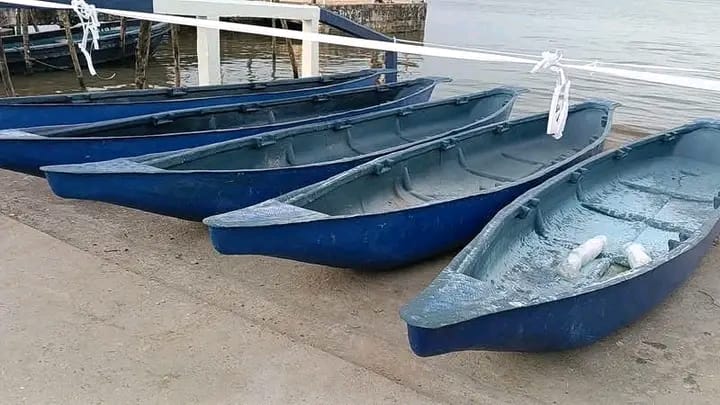
In Opobo/Nkoro, a place where fishing is a major economic activity, giving out boats and nets goes beyond being just a ceremonial act; they are productive assets which can assist fishermen in improving their operations, possibly increase their catches, and enable them to earn higher incomes.
Better fishing equipment can also open up opportunities for fish processors, traders, and other people whose livelihoods are based on the fishing value chain.
Motorcycles also provide practical economic advantages; for those who use them in commercial transport, they can turn into assets that generate income, allowing people to earn money each day while helping them get between different communities and reach their customers.
If looked after properly and used for business purposes, these motorcycles can help meet the household’s expenses as well as funding education and other necessary requirements.
The beneficiaries are also responsible for making sure that they use the equipment for the purpose for which it was intended, keeping it in good condition and refusing the temptation to sell off productive assets in order to obtain quick, short-term benefits. The fact that they achieve success will show how valuable it is to invest public resources directly in people’s livelihoods.
Hon. James Aforyagha merits recognition for having launched an initiative that links public intervention with the everyday economic conditions of Opobo/Nkoro residents. However, this should mark the start of a wider commitment to inclusive development and not merely be a one-off activity for the occasion.
The council ought to keep looking into providing support for small businesses, young people, women, fish processors and other vulnerable groups. If such measures are coupled with better infrastructure, access to markets and more robust community services, they can assist in creating a more resilient local economy.
Final judgement as to what constitutes good governance should be based not on the applause received at a public event, but on the lasting benefits it brings to people’s lives. When these motorcycles, fishing nets and boats result in higher incomes, more stable households and sustainable businesses, the scheme will serve as a worthwhile illustration of people-oriented leadership.
Opobo/Nkoro should not receive merely announcements promoting empowerment, but rather empowerment that leads to tangible outcomes. The next step is to make sure that these tools become permanent sources of prosperity for the beneficiaries, their families and the wider community.
