


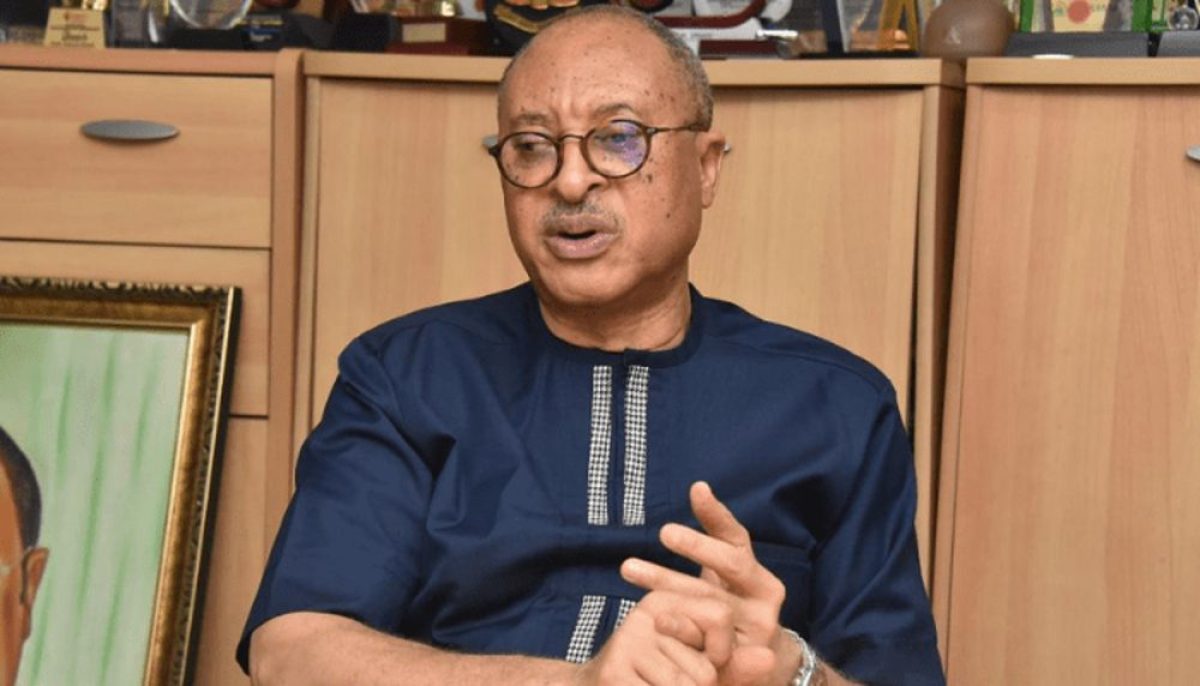
Professor Pat Utomi, a member of the Movement for Credible Elections, has called for tougher sanctions against politicians who use public resources to fund their election campaigns.
Utomi made the call during an interview with ARISE News, where he discussed Nigeria’s electoral system and the challenges facing opposition parties ahead of the 2027 elections.
The political economist said access to state resources had become a major advantage in Nigeria’s electoral contests, putting parties without control of government machinery at a disadvantage.
He argued that public funds should not be diverted to finance political campaigns and said politicians found guilty of such acts should face criminal prosecution.
“One day I would like to see politicians go to jail for spending public money to run for office,” Utomi said.
He described the alleged practice as criminal, arguing that government resources belong to the public and should not be used to pursue political ambitions.
Utomi also pointed to the difficulty opposition parties face in deploying polling agents across the country.
He said parties unable to provide agents at polling units could find it difficult to monitor voting, counting and the recording of results at those locations.
“A party that can’t have agents in all of the polling stations in the country is vulnerable to having results written where they are not present,” he said.
However, Utomi said opposition parties could address some of these challenges by working together and sharing resources, rather than operating separately.
He also stressed the need for greater voter awareness, urging Nigerians to understand the importance of their votes and participate actively in the electoral process.
On election monitoring, Utomi called for greater use of technology, including body cameras and live-streaming facilities at polling units, to provide independent records of proceedings and improve transparency.
He argued that technology could complement the work of party agents and give citizens a more direct view of what happens at polling locations during elections.
