


For years, Nigeria’s electricity crisis has been measured not only in hours of blackout but also in the frustration of millions of consumers trapped in estimated billing. Across homes and businesses, the absence of prepaid meters has fueled distrust between electricity distribution companies and their customers, making access to reliable power feel more like a privilege than a right.
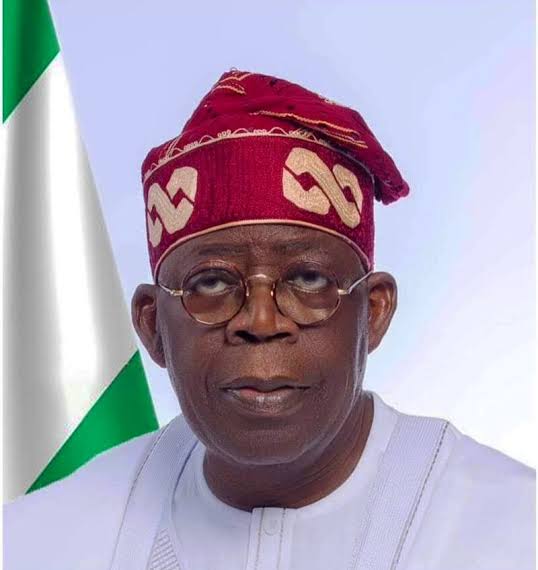
It is against this backdrop that President Bola Ahmed Tinubu has unveiled a programme to train 5,000 young Nigerians as electricity meter installers and technicians. The initiative seeks to tackle two pressing national challenges at once: youth unemployment and the country’s chronic metering deficit.
On paper, the proposal deserves commendation. Nigeria’s power sector has long struggled with a shortage of skilled technical manpower, while thousands of graduates and young artisans continue to search for meaningful employment. Training young people to install, maintain and service electricity meters presents an opportunity to equip them with practical, marketable skills while supporting efforts to improve electricity access.
Beyond job creation, the programme could strengthen the country’s drive towards accurate electricity billing. Millions of electricity consumers still rely on estimated bills, a system that has become one of the most contentious issues in Nigeria’s power sector.
Expanding the pool of trained technicians could accelerate meter installations, reduce billing disputes and gradually rebuild public confidence in electricity distribution companies.
Also see:
Yet Nigerians have every reason to approach the announcement with cautious optimism. The country has witnessed numerous empowerment schemes that generated impressive headlines but failed to deliver lasting results.
Too often, training programmes end with certificates instead of careers, while beneficiaries are left without the equipment, financial support or employment opportunities needed to put their new skills into practice.
The success of this initiative will therefore depend less on the launch ceremony and more on implementation. Training must meet industry standards, participants should receive recognised certification, and electricity distribution companies must be willing to absorb qualified technicians into the workforce.
Without a clear pathway from training to employment, the programme risks becoming another statistic in Nigeria’s long list of unrealised ambitions.
Transparency will also be critical. The selection of beneficiaries should be merit-based and spread fairly across the country to avoid perceptions of political patronage. Regular public updates on the number of trainees, completed installations and jobs created would also help build confidence that the programme is producing measurable results rather than political publicity.
If implemented with transparency, this initiative could represent more than an employment scheme. It could become a practical step towards addressing one of Nigeria’s most persistent infrastructure challenges while empowering thousands of young people with skills that remain relevant in an evolving economy.
