


For more than a decade, Nigeria’s battle against insurgency has been defined by cycles of military victories, terrorist regrouping and devastating attacks on communities across the North-East.
Yet the latest breakthrough by the Nigerian military, which reportedly forced several senior ISWAP commanders and dozens of fighters to surrender, has once again raised hopes that the country’s counter-insurgency efforts may be entering a more decisive phase.
The military announced that sustained land and air offensives targeting ISWAP strongholds have disrupted the group’s operations, destroyed logistics bases and compelled a number of insurgents to surrender. The operation represents another milestone in Nigeria’s ongoing campaign to dismantle one of the deadliest extremist organisations operating in the Lake Chad Basin.
However, beyond the immediate military success lies a question: Does this development signal a lasting shift in the fight against terrorism, or is it another temporary gain in a conflict that has repeatedly evolved over the years?
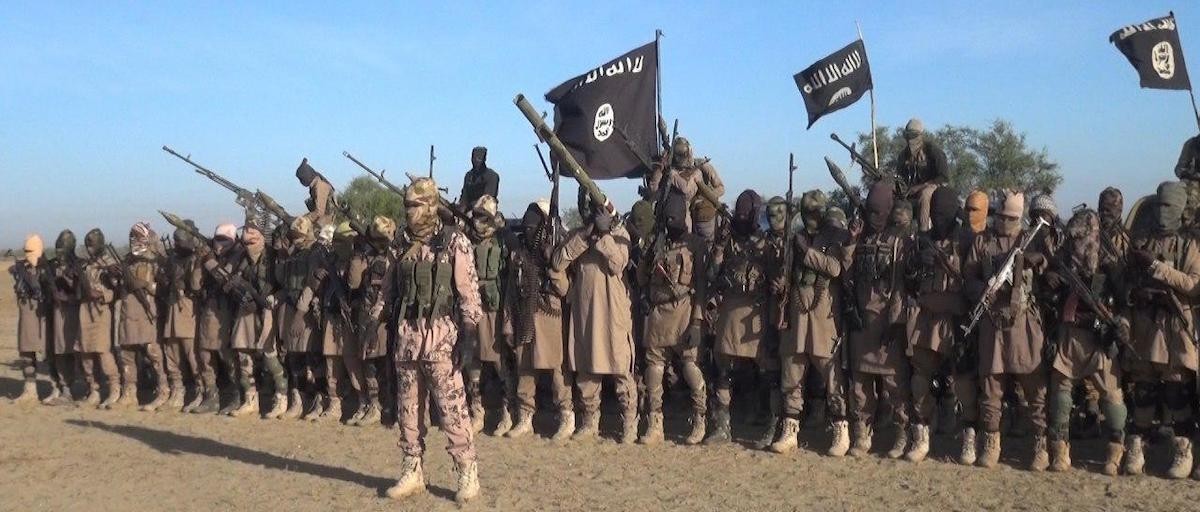
Since emerging in 2016 after splitting from Boko Haram, the Islamic State West Africa Province (ISWAP) has established itself as a formidable insurgent group, carrying out coordinated attacks on military formations, humanitarian workers and civilian communities.
Unlike Boko Haram’s earlier approach, ISWAP has often sought to strengthen its influence by controlling territories, collecting taxes in occupied communities and building local networks that sustain its operations.
Its activities have contributed significantly to the humanitarian crisis in Nigeria’s North-East, displacing millions of people, disrupting farming activities and placing enormous pressure on security agencies. The conflict has also affected neighbouring countries, making the insurgency a regional security challenge rather than a purely Nigerian one.
Also see: How Nigerians Turned Guinness World Records into a National Movement
The latest military offensive demonstrates that sustained pressure can weaken terrorist organisations by limiting their mobility, cutting off supply routes and reducing their operational capacity. Reports of commanders surrendering suggest that continued military operations may be eroding morale within the group’s ranks.
Nevertheless, military victories alone have rarely marked the end of insurgencies. Security personnel have consistently warned that extremist groups often adapt to pressure by reorganising their leadership, recruiting new members and exploiting difficult terrain to evade security forces.
As history has shown, every tactical victory must be followed by sustained operations to prevent insurgents from regaining lost ground.
Nigeria has increasingly adopted programmes aimed at deradicalising former insurgents and reintegrating those considered eligible back into society. While supporters argue that such initiatives encourage more fighters to surrender, some people continue to question whether sufficient safeguards exist to ensure public safety and justice for victims.
For thousands of families displaced by years of violence, every successful military operation offers renewed optimism that normal life may eventually return. Schools can reopen, farmers can return to their land, businesses can recover and communities can begin the difficult process of healing.
As the military continues its offensive, the challenge now is to transform battlefield successes into lasting peace. Only then can Nigeria move beyond celebrating isolated victories to achieving the enduring security that millions of its citizens have long awaited.
