


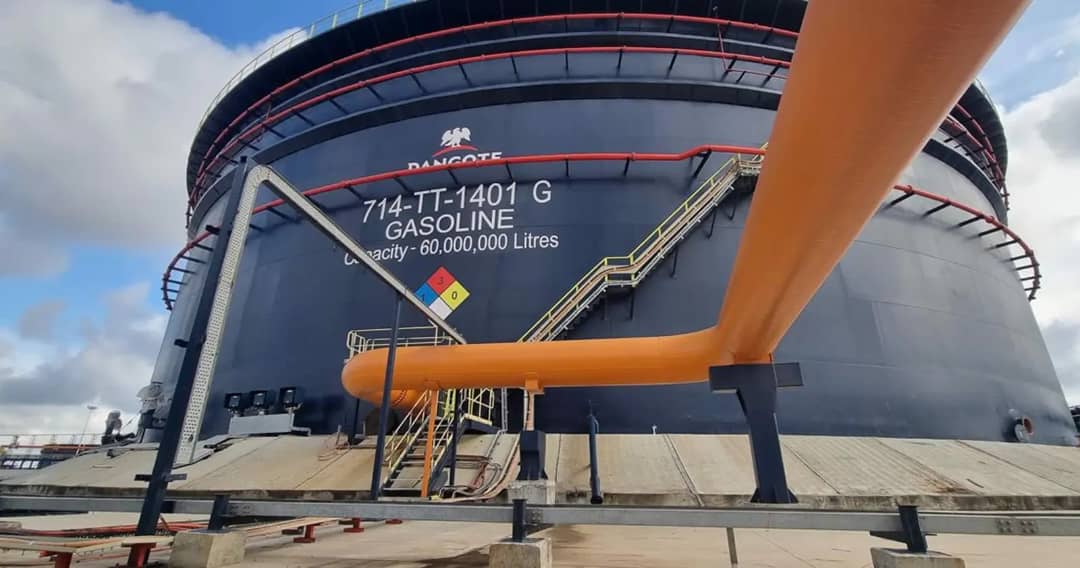
For decades, Nigerians have hoped for the day the country would stop depending heavily on imported fuel despite being one of Africa’s largest crude oil producers. The arrival of the massive Dangote Petroleum Refinery was supposed to mark that turning point.
Instead, the refinery has found itself at the centre of one of the most heated energy debates in recent years. At the heart of the controversy are allegations that fuel produced by the refinery is being exported and finding its way back into Nigeria through Togo, alongside claims that the refinery itself imports petroleum products.
The refinery has strongly rejected these accusations, insisting there is neither commercial logic nor evidence to support such claims. It maintains that what people describe as imported fuel are often intermediate feedstocks used in refining processes rather than finished petrol products.
The dispute goes beyond technical arguments. It has evolved into a broader battle over who controls Nigeria’s downstream petroleum market.
Dangote Refinery has repeatedly argued that continued issuance of fuel import licences undermines local refining and discourages investment in domestic production. The company has even taken legal action against the government, challenging import permits granted to marketers and the state-owned oil company. According to the refinery, imports should only be allowed when local supply is insufficient.
On the other side, petroleum marketers and regulators insist that import licences remain necessary to guarantee energy security and maintain competition in the market. They argue that preventing imports entirely could create supply risks and give excessive market power to a single producer.
Also see: 8-Year-Old Girl Chairs Bonny Local Government Area for a Day
This disagreement exposes a larger national dilemma. Should Nigeria aggressively protect local industries after investing billions of dollars in refining capacity? Or should it keep the market open in the name of competition and consumer protection?
Supporters of Dangote argue that allowing imported fuel to compete with locally refined products defeats the purpose of building Africa’s largest refinery. They believe the country should prioritise domestic production, create jobs, conserve foreign exchange and strengthen energy independence. The refinery’s supporters point to significant reductions in fuel import spending since the facility began operations as evidence that local refining is already benefiting the economy.
The opposers, however, warn that overprotecting a single refinery could eventually reduce competition, limit consumer choices and create a monopoly-like environment in one of Nigeria’s most strategic sectors. They argue that competition often leads to better pricing and efficiency.
For the general public, the concern is not really about licences, lawsuits or regulatory frameworks. The question is, will fuel become cheaper and more accessible?
After years of subsidy removals, currency depreciation and economic hardship, many citizens expected the operationalisation of the refinery to bring lasting relief at filling stations. While the refinery has helped reduce dependence on foreign supplies, fuel prices remain sensitive to exchange rates, crude oil prices, logistics costs and regulatory decisions.
