


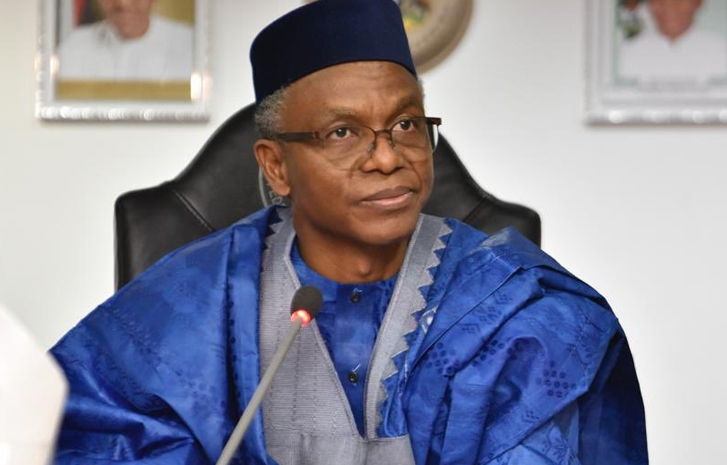
Nasir El-Rufai has never been a politician who fades quietly. Whether as Minister of the Federal Capital Territory, governor of Kaduna State, or one of the most influential voices within Nigeria’s political establishment, he has built a reputation around confrontation, controversy and calculated political combat.
That is why the latest allegations from his family that they are being monitored and their phones compromised have generated immediate national attention. In Nigeria, where political rivalries are often fierce and trust in institutions remains fragile, such claims are bound to provoke concern. Yet they also raise a deeper question: has Nigerian politics become so consumed by power struggles that every disagreement is now framed as persecution?
For years, El-Rufai was widely regarded as one of the most powerful figures within the ruling political structure. He was not an outsider battling the establishment; he was part of the establishment itself. His influence extended far beyond Kaduna State, and his voice carried weight in decisions that shaped national politics.
Today, however, the narrative appears different. Increasingly, El-Rufai finds himself positioned as a critic rather than a defender of the political order he once helped strengthen. His recent political movements and public statements suggest a man unwilling to remain silent, even when doing so might be politically convenient.
This is where the debate becomes complicated. On one hand, any allegation of surveillance, intimidation or political harassment deserves serious scrutiny. Democracies thrive when dissenting voices are protected, not monitored. If political actors are targeted simply because they hold opposing views, then the implications extend far beyond one individual.
Also see: Oyebanji Describes His Re-Election As Renewed Call To Service
On the other hand, Nigerian politicians have mastered the art of political victimhood. The same figures who once wielded immense influence often rediscover the language of oppression the moment they fall out of favour. Suddenly, every investigation becomes witch-hunting, every criticism becomes persecution, and every political setback becomes evidence of a grand conspiracy.
The public is therefore left with a difficult task: separating legitimate concerns from political theatre.
What makes the El-Rufai situation particularly intriguing is that it reflects a broader crisis within Nigeria’s political culture. Too much energy is spent on elite battles, personal rivalries and shifting alliances, while ordinary Nigerians continue to grapple with inflation, insecurity, unemployment and a declining standard of living..
Nigeria’s politics has become increasingly centred on personalities rather than policies. Every disagreement becomes a headline. Every political feud becomes a national conversation. Meanwhile, the issues that directly affect millions struggle to command the same level of attention.
The real question is why Nigerian politics remains trapped in an endless cycle where political actors spend more time fighting each other than solving the problems facing the people they claim to serve.
