


Nigeria’s tourism industry is rapidly evolving into a technology driven sector, with industry stakeholders warning that businesses that fail to embrace artificial intelligence, e-commerce and digital payment systems risk losing relevance in the coming years.
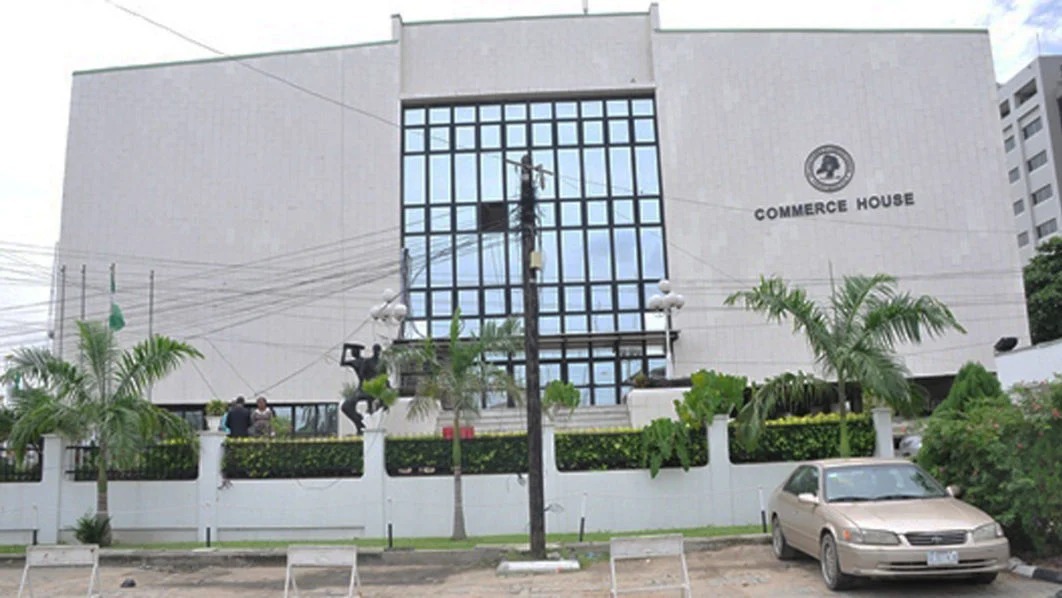
The message was at the centre of discussions during the Lagos Chamber of Commerce and Industry’s joint seminar organised by its Hotel and Tourism Group and E-Commerce Group in Lagos, themed “Tourism Meets Innovation: Powered by E-Commerce.”
Participants at the event agreed that the future growth of tourism will depend less on the popularity of destinations and more on how easily travellers can discover, book and pay for experiences through digital platforms.
Speaking at the event, President of the Lagos Chamber of Commerce and Industry, Leye Kupoluyi, described tourism and e-commerce as two industries that are now merging into a single digital ecosystem capable of reshaping Nigeria’s travel and hospitality landscape.
“Tourism and e-commerce are no longer adjacent industries in Nigeria; they are converging into one digital growth engine, and whoever masters that merger first wins the next decade of African travel and hospitality,” he said.
According to him, projections from the World Travel and Tourism Council show that the tourism and e-commerce sectors could contribute N11.2 trillion to Nigeria’s Gross Domestic Product in 2025, up from N10.9 trillion in 2024, while domestic tourism spending alone is expected to reach N6.1 trillion.
Kupoluyi noted that the next phase of industry growth would be driven by digital accessibility rather than destination appeal.
“The next wave of revenue will be won on how easily Nigerians discover and pay for local travel, not on destination appeal alone,” he said.
He also highlighted the growing importance of social commerce, noting that traditional websites are gradually giving way to social platforms as the primary channels for customer engagement.
According to him, transaction values on social commerce platforms are projected to rise from $2.04 billion in 2025 to $3.96 billion by 2030.
“Social commerce, not the traditional website, is becoming the new front door to Nigerian travel and hospitality. A hotel, resort, or tour operator without a frictionless checkout inside WhatsApp, Instagram, or Facebook is invisible to the fastest growing segment of Nigerian consumer spending,” Kupoluyi said.
He added that broadband connectivity and digital payment infrastructure have become essential business investments rather than optional technology expenses.
“Connectivity is the binding constraint behind every number in this room. Broadband penetration nationally crossed 50 per cent for the first time only in November 2025. For hotel groups and online merchants alike, investment in digital infrastructure and payment rails is no longer an IT line item; it is a revenue strategy,” he stated.
As part of efforts to strengthen industry readiness, the chamber announced plans to establish a joint digital readiness initiative between its Hotel and Tourism Group and E-Commerce Group.
The initiative will provide practical support and mentorship to help tourism businesses improve their online booking systems and payment capabilities.
Also speaking, Chairman of the E-Commerce Group and Chief Executive Officer of Jumia Nigeria, Temidayo Ojo, represented by the Head of Seller Management at Jumia Nigeria, Nicholas Obasigie, said customer experience has become the defining factor for success in the digital economy.
“Today’s customers no longer buy products alone. They buy speed, convenience, trust, experience and after-sales support,” Obasigie said.
He explained that consumers now expect businesses to offer seamless online discovery, secure payments, reliable service delivery and personalised interactions across digital channels.
“A great product attracts customers. A great experience keeps them,” he added.
Obasigie also identified online booking systems as a critical technology investment for tourism operators, noting that they improve efficiency, shorten waiting times and increase conversion rates.
“Easy booking plus instant confirmation plus flexible payment equals higher conversions,” he said.
He encouraged businesses to strengthen their digital infrastructure, embrace digital payments, improve customer service and leverage data analytics to better understand customer behaviour.
“The businesses that prioritise customer experience will dominate the next decade,” he said.
Artificial intelligence also emerged as a key topic during the seminar.
Co-founder and Chief Technology Officer of eMigr8.ai, Bade Adesemowo, said AI is already transforming industries globally and creating opportunities for tourism businesses to personalise services and automate operations.
“We’re focused on the tourism industry today, but the truth is that this same technology, AI, has changed the entire global landscape,” he said.
Adesemowo explained that AI can help businesses create highly personalised travel experiences while improving efficiency in hotels, transportation, attractions and tour operations.
“We’re seeing an opportunity to hyper-personalise tours in a sense that you can hyper-personalise to say, ‘This is exactly what my specific client wants at this point,’” he said.
He also urged businesses to begin integrating AI into their operations, warning that those who ignore the technology could lose their competitive advantage.
“AI will not take your job, but somebody using AI will take your job. What we are saying to you is then make the very best use of AI so you can do your job, do it better, do it faster, do it more productively,” Adesemowo said.
He added that AI tools can already assist travel operators with itinerary planning, research and personalised customer engagement.
Stakeholders concluded that businesses that invest early in AI, digital booking systems and seamless payment technologies will be best positioned to capture the next wave of growth in Nigeria’s tourism industry.
