


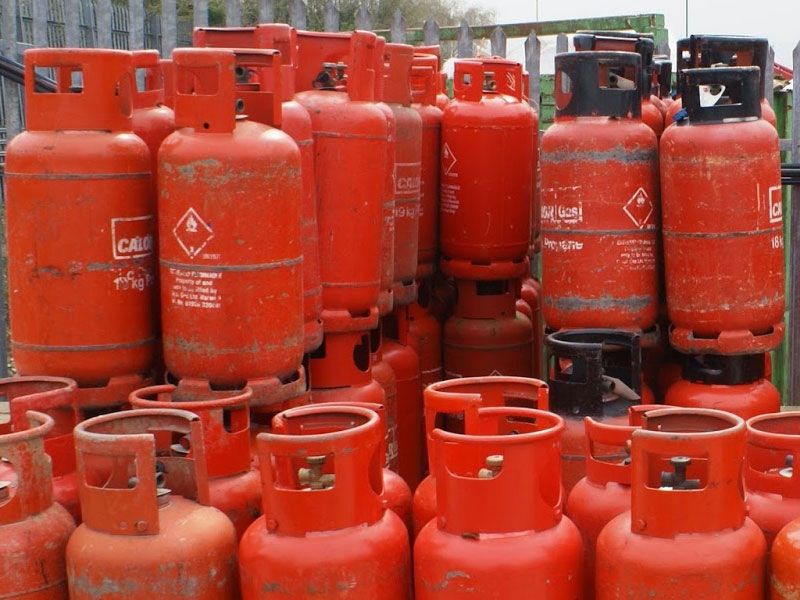
The Nigerian Association of Liquefied Petroleum Gas Marketers has raised concerns over the rising cost and irregular supply of cooking gas across the country, warning that the situation could lead to scarcity and worsen economic hardship for Nigerians.
The association disclosed that cooking gas now sells for more than N1,500 per kilogramme in many parts of the country, while marketers pay between N25.2m and N26.2m for 20 metric tonnes of the product, depending on location.
Findings by our correspondent on Sunday showed that the price of the commodity, which sold for less than N1,000 per kilogramme in recent months, has risen sharply to about N1,500 and above in several areas. Some retailers now sell between N1,600 and N2,000 per kilogramme.
In a statement jointly signed by the National President of the Nigerian Association of Liquefied Petroleum Gas Marketers, Edu Inyang, and the Executive Secretary, Bassey Essien, the group described the situation as unfortunate and alarming.
The marketers warned that the continued increase in prices could provoke public frustration against operators of gas filling stations.
Also see: NCAA Sanctions 11 Airlines Over Unpaid Charges
According to the association, millions of households, food vendors, small businesses, and low-income earners who depend on cooking gas for daily activities are already struggling with the high cost of the product.
The group blamed the crisis on persistent supply shortages, expensive depot prices, distribution challenges, and increasing operational costs facing marketers nationwide.
NALPGAM stated that the development threatens the progress already made in Nigeria’s clean energy campaign, noting that many families are beginning to abandon cooking gas for firewood and charcoal because of the rising prices.
The association warned that if urgent steps are not taken, the country could face higher food inflation, job losses in the LPG retail sector, declining investor confidence, and setbacks in Nigeria’s clean energy drive.
It called on the Federal Government, the Ministry of Petroleum Resources, the Nigerian Midstream and Downstream Petroleum Regulatory Authority, the Nigerian National Petroleum Company Limited, domestic producers, terminal operators, and other stakeholders to urgently intervene and stabilise the market.
The marketers also urged authorities to improve local supply, ensure transparent distribution, reduce importation bottlenecks, and introduce measures that would make cooking gas more affordable for Nigerians.
