


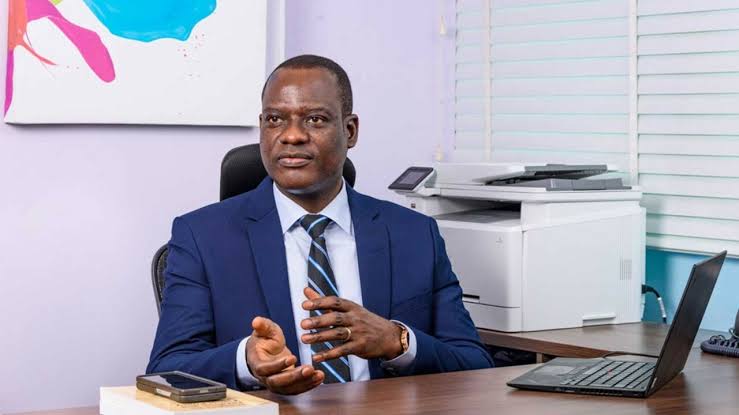
Nigeria can no longer afford to fund its national development through a cycle of borrowing, Finance Minister Taiwo Oyedele warned yesterday, signaling a necessary shift toward standing on our own feet financially.
Speaking at the 28th Annual Tax Conference of the Chartered Institute of Taxation of Nigeria (CITN) in Abuja, Oyedele told a room of tax professionals and policymakers that the current path is simply not sustainable for a nation looking for long-term stability.
“Nigeria cannot continue to finance development primarily through borrowing,” Oyedele stated during the conference. “We must build a fiscal system capable of supporting critical infrastructure, quality education, affordable healthcare, security, and social protection without constantly leaning on loans.”
The Minister’s warning arrives at a complicated moment for the country’s books. While Oyedele is pushing for a move toward local revenue, the Federal Government is currently in the middle of talks with the World Bank for a fresh $1.25 billion loan.
This proposed deal is meant to fund economic reforms and help create jobs, highlighting the difficult balance the administration is trying to strike between cutting down on debt and finding the money to keep the country running.
Also see: Niger Delta Social Media Bloggers Meet Westpaq CEO in Port Harcourt
Oyedele made it clear that a healthy financial system must do more than just collect taxes; it has to be a tool for fairness. He noted that true economic health in Nigeria must actively close the gap between the rich and the poor and protect everyday people from the rising cost of living.
For the Ministry of Finance, the goal for the rest of 2026 is to move the tax system away from us being a burden on small businesses and toward being a reliable engine for public services.
The 28th Annual Tax Conference finishes this week, with experts expected to present a plan for bringing more people into the tax net without making life harder for those already struggling.
However, the big question remains: how do we build a future without new debt when billion-dollar international loans are still being signed just to keep the current reforms afloat?
