


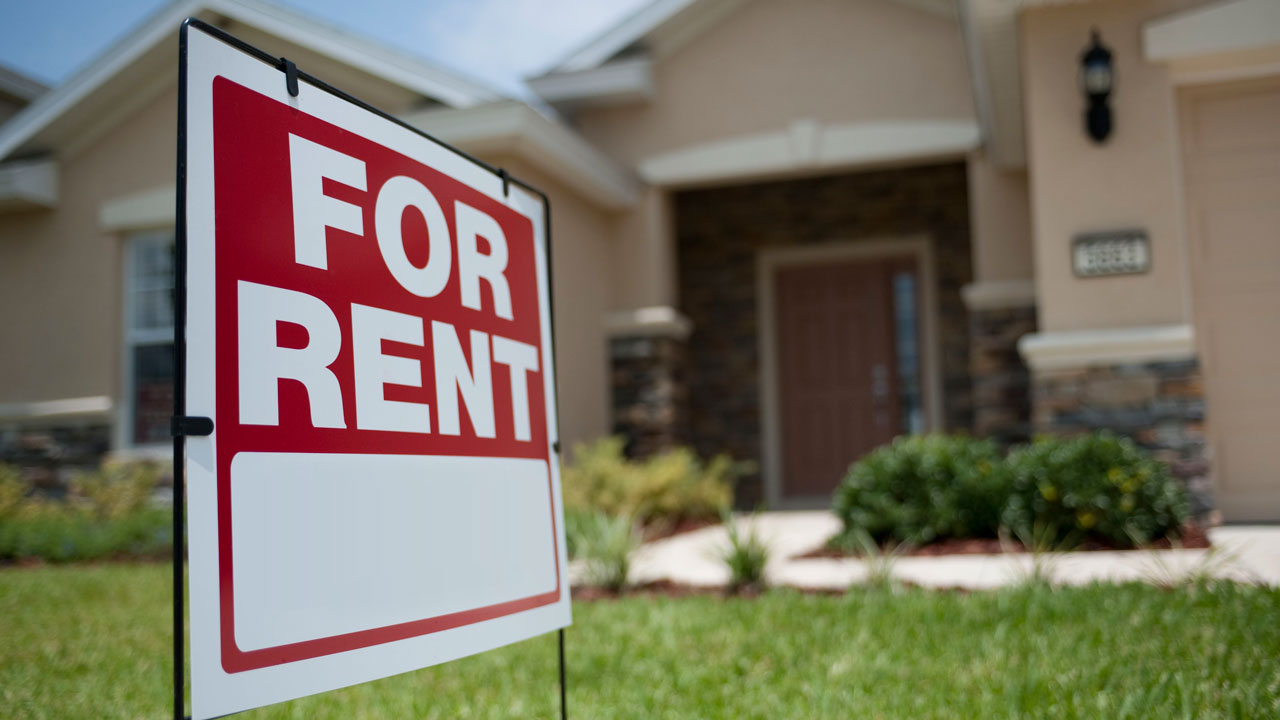
In the city of Port Harcourt, Rivers State’s economic heartbeat, the quest for affordable shelter has turned into a daily ordeal for many residents. With its potential attracting workers from across Nigeria, the city grapples with a housing crunch that mirrors national trends but hits harder in vibrant areas like Iwofe and along Peter Odili Road. Landlords push for higher rents to offset rising costs, while tenants scramble to keep roofs over their heads amid stagnant wages and economic pressures. This imbalance reveals deeper struggles that demand attention from all sides.
Recent data paints a stark picture of the rental market. In Iwofe, a popular residential area known for its proximity to offices and markets, one-bedroom apartments now average N800,000 to N1.2 million per year, up from N600,000 just two years ago. Two-bedroom units fetch between N1.5 million and N2 million annually, according to listings on platforms like PropertyPro and Jiji as of mid-2025. Along Peter Odili Road, a major artery lined with commercial hubs and residential estates, rents have surged similarly. A standard two-bedroom flat there costs N1.8 million to N2.5 million annually, driven by demand from oil sector employees and young professionals. These figures represent increases of 30 to 50 per cent since 2023, fueled by inflation rates hovering around 25 per cent and the naira’s depreciation, which inflates building material and maintenance expenses for property owners. Fact-checking through National Bureau of Statistics reports confirms that Rivers State’s urban inflation outpaces the national average, pushing landlords to adjust rents frequently to cover utility hikes and repairs.
Tenants bear the brunt of these escalations. Many, including civil servants and small business owners, allocate over 50 per cent of their income to housing, leaving little for food, education, or healthcare. In Iwofe’s densely packed neighbourhoods, families squeeze into substandard units plagued by erratic power supply and poor sanitation. Reports from local tenant associations highlight cases where landlords neglect maintenance, citing high repair costs amid fuel price jumps from N617 to over N1,000 per litre in 2025. Evictions loom large too; unable to meet advance rent demands—often two years upfront—some residents face abrupt displacements, swelling informal settlements around the city. A 2025 survey by the Rivers State Ministry of Housing noted over 15,000 eviction notices issued in Port Harcourt last year, exacerbating overcrowding in affordable outskirts like Diobu and Borikiri.
Also Read: RIWAMA Reschedules Environmental Sanitation for Saturday
Landlords, however, face their own pressures. Property taxes have risen with state revenue shortfalls, and the maintenance of ageing structures in humid, flood-prone Port Harcourt adds to the burden. One property owner in Peter Odili Road shared in a local forum that unpaid utilities and damages from tenants eat into profits, prompting preemptive rent hikes to ensure viability. Yet, this cycle widens the gap between property owners and renters, fostering resentment and disputes that clog local courts.
To ease these tensions, targeted interventions are essential. The Rivers State government could expand initiatives like the ongoing low-cost housing projects in Trans-Amadi, partnering with private developers to boost supply in high-demand zones such as Iwofe. Rent control policies, capping annual increases at 10 to 15 per cent, would provide breathing room for tenants while allowing fair returns for landlords. Strengthening enforcement through agencies like the Rivers State Property Protection Board could ensure timely maintenance and curb arbitrary evictions. Community dialogues, involving tenant unions and landlord groups, might foster mutual understanding and voluntary agreements on shared costs.
Port Harcourt’s rent battles underscore a broader call for equitable housing. By addressing supply shortages and economic strains collaboratively, the city can build a more stable foundation for its growing population. Without action, the unseen hardships will only deepen, turning homes into sources of stress rather than sanctuary.
