

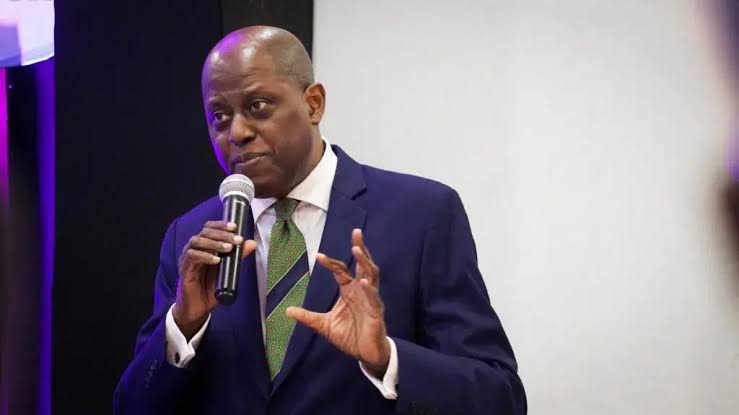
The Governor of the Central Bank of Nigeria (CBN), Olayemi Cardoso, has called for equity, fairness and proportional representation in the governance structure of the proposed ECOWAS Monetary Union.
Cardoso made the call on Friday, November 20, 2026, while representing Nigeria at the Ministerial Session of the 6th Presidential Task Force Meeting on the ECOWAS Single Currency Programme in Abidjan, Côte d’Ivoire. The meeting brought together finance ministers and central bank governors of member states represented on the Presidential Task Force.
The CBN Governor said while regional solidarity and respect for the sovereign equality of member states must remain fundamental principles of the proposed Union, these should be balanced with the financial commitments, responsibilities and risks borne by individual countries.
He argued that countries with larger economies and greater financial responsibilities should receive fair consideration in the governance of institutions they help finance and sustain.
According to him, Nigeria’s position is not driven by a desire for dominance or entitlement, but by the country’s responsibility as the region’s largest economy and one of the principal contributors to the proposed Monetary Union.
Cardoso noted that Nigeria would commit substantial financial resources, reserves and institutional capital to the success of the Union, stressing that such commitments should be appropriately reflected in responsibility, accountability and participation in governance.
He warned that a system in which member states share obligations without having a corresponding voice in decision-making could create challenges for the long-term sustainability of the Union.
“Where obligations are shared but influence is not, arrangements may be agreed, but their long-term sustainability may be difficult to guarantee,” he said.
Cardoso nevertheless reaffirmed Nigeria’s strong and longstanding commitment to the ECOWAS Monetary Cooperation Programme and the establishment of the ECO, saying the country remained committed to a monetary union that is credible, sustainable and beneficial to all member states.
He described the Abidjan meeting as a defining milestone in the regional monetary integration process, with discussions focusing on critical institutional questions, including the location of the Union’s institutions, leadership appointments, and the allocation of authority and responsibilities.
The Governor urged delegates to approach the discussions with openness, mutual respect and a willingness to compromise, expressing confidence that member states could reach a balanced governance arrangement.
The meeting forms part of preparations for the proposed phased introduction of the ECO from 2027, with member states continuing discussions on the institutional and governance framework required for the establishment of the ECOWAS Monetary Union.
