


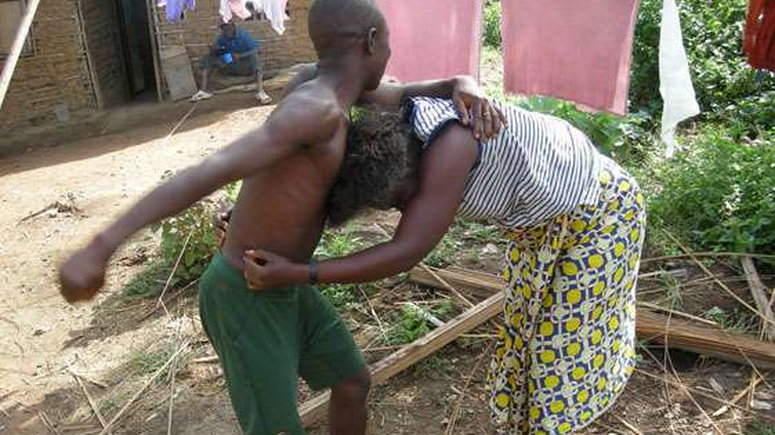
The disturbing incident involving a woman allegedly battered by her husband in Port Harcourt on Monday, November 23, has once again brought attention to the issue of domestic violence and the vulnerability of women in abusive relationships.
The woman was reportedly left with serious injuries, including visible bruises around her face and an injury to her leg. According to accounts of the incident, her husband took her to a pharmacy for treatment but allegedly attempted to leave without making arrangements for her medical expenses. It reportedly took the intervention of concerned members of the public to ensure that she received medical attention, while human rights organisations were also contacted.
Beyond the circumstances of this particular incident, it raises a broader concern about how many women in Port Harcourt and other parts of Rivers State are experiencing similar violence without attracting public attention.
Domestic violence remains a significant social and human rights concern in Nigeria. However, establishing its actual prevalence at the state level is difficult, particularly because many incidents occur within private residences and are never formally reported. Financial dependence, fear of retaliation, family pressure and concerns about the consequences of separating from abusive partners are among the factors that can discourage survivors from seeking help.
Available records from the International Federation of Women Lawyers (FIDA), Rivers State Branch, offer some insight into the demand for intervention. Between July 2019 and March 2022, the organisation’s legal and alternative dispute resolution centre received 4,213 complaints involving different issues, including assault, battery, rape, domestic violence, child abuse and matrimonial disputes. Although these figures do not represent domestic violence cases alone, they demonstrate the range of legal and social problems requiring attention.
There have also been recent efforts to strengthen the state’s response to gender-based violence. In November 2026, response teams were inaugurated in Eleme, Etche and Ogba/Egbema/Ndoni, with the Healthy Life Development Initiative reporting that it had identified and supported more than 400 survivors in less than two years.
One of the major challenges in addressing domestic violence is the tendency to treat physical assault between couples as a private marital disagreement. This attitude can discourage intervention and allow abusive situations to continue. Physical violence is not a domestic misunderstanding, and marriage does not exempt anyone from accountability for assaulting another person.
There is a need for a more accessible and coordinated response in Rivers State. This includes properly funded support centres, functional shelters, confidential reporting channels, prompt police intervention and legal assistance for survivors who cannot afford representation. Medical facilities should also have clear procedures for documenting injuries and referring suspected abuse cases to the appropriate authorities.
The Rivers State Violence Against Persons (Prohibition) Law 2020 provides a legal framework for addressing violence and protecting victims. Its effectiveness, however, depends on enforcement, public awareness and the willingness of relevant institutions to act on reported cases.
Families, religious institutions and community leaders also have a responsibility to discourage the normalisation of violence in marriages. Encouraging women to remain in dangerous relationships for the sake of family reputation or marital preservation does little to address the problem.
