



The Rivers State Government has reaffirmed its commitment to strengthening food safety regulations and enforcement to protect residents from unsafe food products and unhealthy food handling practices.
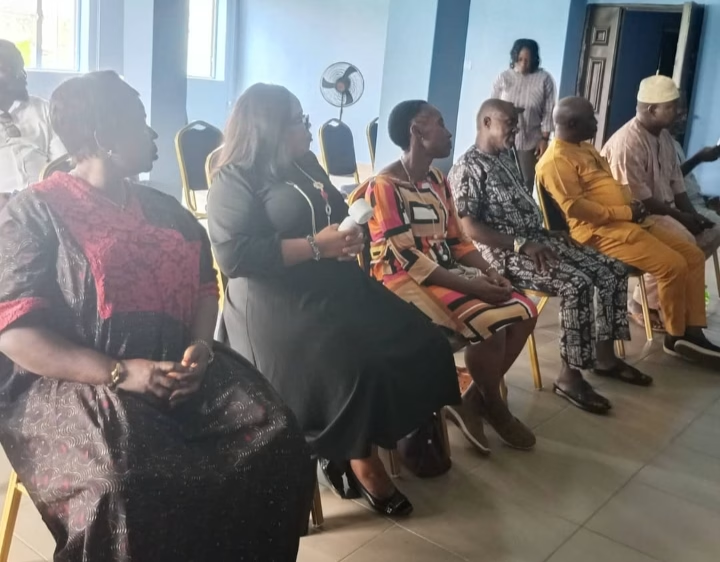
The Permanent Secretary of the Ministry of Agriculture, Mercy Iboroma Dagogo, gave the assurance during a press conference themed “Food Safety: From Farm to Table”, held at the Veterinary Hospital, Rumuodomaya, Port Harcourt.
Dagogo, represented by the Director of Administration, Levi Obinna, said the Ministry was strengthening food inspection and monitoring across agricultural value chains to ensure that food produced, processed, stored and distributed in the State meets acceptable safety standards.
She explained that the Ministry, through its Departments of Agriculture, Livestock and Veterinary Services, Fisheries, and Engineering, was intensifying inspections of crops, livestock, fish and food processing facilities, while promoting safe agrochemical use, hygienic abattoirs and markets, and appropriate storage facilities.
Speaking at the event, the Director of Livestock and Veterinary Services, Dr. Godswill Ukoikpoko, identified bacteria, viruses, fungi, parasites, chemicals and radiological contaminants as major hazards capable of compromising food safety.
He expressed concern over unhygienic meat-processing practices, including the use of tyres and plastics to roast meat and the application of harmful chemicals in processing animal hides and skins, popularly known as kpomo or kanda.
Ukoikpoko also condemned illegal abattoirs operating without veterinary supervision, warning that animals slaughtered in such facilities could be stolen, diseased, or have died from unknown causes, thereby exposing consumers to serious health risks.
He announced new directives for abattoir operators and meat handlers, stating that all abattoirs must be registered and validated by the Ministry, while slaughtering activities must commence by 7:00 a.m. to allow proper inspection of animals and meat.
He further directed that animals must be transported to slaughterhouses in vehicles rather than driven on foot, while meat handlers must undergo medical fitness examinations every two years.
The Director added that all meat inspection fees must be paid into designated government accounts, warning that anyone found violating food safety regulations would be arrested and prosecuted.
He assured residents that the State’s veterinary hospitals and diagnostic laboratory were operational and providing preventive and therapeutic animal health services to support livestock farmers and control zoonotic diseases.
On crop production, the Director of Agriculture, Sunday Agada, cautioned farmers against cultivating crops on contaminated land and the indiscriminate application of fertilisers and agrochemicals.
He warned that unsafe agricultural practices could leave harmful chemical residues in food, advising farmers to seek professional guidance on the proper mixing and application of agrochemicals and observe recommended waiting periods before harvesting crops.
Read Also: nitda-reveals-gaps-in-nigerias-digital-economy
Agada also raised concerns over food adulteration and the use of harmful substances, including azo dyes in palm oil, detergents and bleach in cassava processing, carbide for artificial fruit ripening, and toxic chemicals such as aluminium phosphide-based products for preserving beans.
He urged farmers to maintain contact with Divisional Agricultural Officers and extension agents in their respective Local Government Areas for proper guidance, while encouraging residents to report suspicious food production practices to the Ministry.
Similarly, the Director of Fisheries, Fi-Ibite Adokiye, identified oil spills, industrial waste, dynamite fishing and harmful chemicals such as Gamalin as major threats to fish quality and consumer safety.
He advised fish farmers against using unapproved chemicals to promote fish growth and urged them to prevent contaminated runoff from entering fish ponds.
Adokiye also emphasised the need for regular monitoring of water temperature and pH levels, as well as proper temperature control and cold-chain management by cold-room operators and fish dealers.
He disclosed that the Ministry was intensifying inspections of fish farms and merchants to ensure compliance with safety standards, urging consumers to look out for the Ministry’s official seal on cartons of fish before making purchases.
He warned that operators who failed to meet stipulated requirements risked having their licences withdrawn.
The Director of Engineering, Engr. Christopher Didia, highlighted the importance of appropriate agricultural infrastructure, including livestock facilities, fish storage systems and proper drainage, in maintaining food hygiene and safety.
During the interactive session, Ukoikpoko explained that ante-mortem and post-mortem inspections were being conducted to identify diseases in animals and meat and prevent the transmission of zoonotic infections to humans.
He urged butchers and meat handlers to maintain personal hygiene and use appropriate Personal Protective Equipment (PPE), while advising consumers to look out for veterinary doctors and certified meat inspectors in slaughterhouses.
He commended the State Government for providing a sanitary van for meat transportation and recruiting four veterinary doctors alongside para-veterinary personnel to strengthen service delivery.
However, he acknowledged manpower shortages in the Ministry, disclosing that a memorandum had been submitted to the Governor requesting additional personnel.
The Director also said the Ministry had commenced public enlightenment programmes to educate residents on the dangers of unsafe food production, processing and handling.
On the Ministry’s achievements in 2026, Agada listed agribusiness training and empowerment programmes conducted in January, World Food Day activities, fertiliser distribution and the provision of cassava stems to communities affected by flooding.
He also disclosed that the registration of farmers across the State was ongoing, noting that a comprehensive farmers’ database would improve agricultural planning, monitoring and food safety interventions.
Agada commended the Rivers State Chapter of the All Farmers Association of Nigeria (AFAN) for its collaboration with the Ministry in coordinating farmers at the grassroots.
In his goodwill message, the Director of Finance and Accounts, John Israel, described food safety as a collective responsibility requiring the active participation of government, farmers, traders and consumers.
He assured stakeholders of the State Government’s commitment to supporting food safety initiatives in collaboration with the Ministries of Health and Environment.
The Head of the Department of Forestry, Dabibi Iyene-Emi Michelle, who delivered the vote of thanks, called for sustained cooperation among stakeholders to sanitise the agricultural value chain and promote hygienic food production, processing and distribution across Rivers State.
She commended the Permanent Secretary for her commitment to repositioning the Ministry and strengthening its institutional capacity, stressing that collective action remained essential to protecting public health.
