


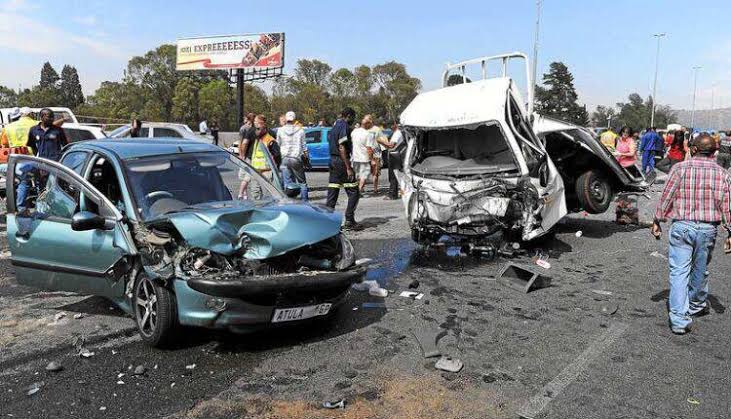
The Federal Road Safety Corps (FRSC) said on Monday that at least 3,445 people died in road traffic crashes across Nigeria between January and September 2026. Corps Marshal Shehu Mohammed disclosed this at a joint press briefing with key stakeholders in Abuja, marking the 2026 World Day of Remembrance for Road Traffic Victims. The commemoration runs from Monday to November 15 and is meant to turn remembrance into commitment and compassion into measurable action.
Mohammed said 7,156 crashes were recorded in the period, leaving 22,292 people injured. “These figures represent more than statistics; they are human lives lost, families shattered and communities thrown into grief,” he said.
He named excessive speed and dangerous driving as major causes and said the FRSC is stepping up enforcement, public enlightenment, and stakeholder engagement. He said the Corps uses its Road Traffic Crash Database Management System to identify high-risk corridors and deploy personnel for targeted patrols, surveillance, enforcement, and rescue.
He reaffirmed the Corps’ commitment to the UN Decade of Action for Road Safety 2021-2030, which aims to cut road deaths and injuries by at least 50 percent by 2030. He called on government agencies, transport unions, the media, civil society, and emergency responders to work more closely with the FRSC, and urged motorists to obey traffic rules, respect speed limits, avoid distractions, use safety restraints, and protect pedestrians, cyclists, and motorcyclists. He said the best tribute to victims is to let their memory drive action that saves other lives.
Also Read: http://Flamingos Arrive in Abuja for World Cup Trophy Parade
WHO Country Representative Pavel Ursu said the commemoration is a time to remember victims and renew commitment to prevention. He said the 2026 theme, “A Light That Unites Us,” calls for turning remembrance into action, empathy into support, and awareness into lasting commitment.
He said about 1.2 million people die in road crashes worldwide each year, that road injuries are the leading cause of death for children and young people aged 5 to 29, and that more than 90 percent of deaths occur in low- and middle-income countries. These deaths are preventable, he said, through safer roads and vehicles, stronger enforcement, better road user behaviour, and effective post-crash care.
Ursu called the entry into force of the African Road Safety Charter on March 12, 2026, a milestone, as Africa’s first legally binding road safety framework, and congratulated Nigeria for being among the first to ratify it. He said WHO and the UN system will keep supporting Nigeria with evidence-based policies, stronger institutions, safer infrastructure, better crash data, and improved emergency services.
Dr Olarenwaju Olatunji, focal person for the UN Decade of Action on Road Safety and Traffic Injury Prevention (UNDARSTIP), said the commemoration is also a chance to recognise survivors living with injuries and disabilities, affected families, and emergency responders. He thanked the FRSC, WHO, government agencies, development partners, and other stakeholders for their road safety work, and expressed solidarity with bereaved families and survivors. (NAN)
