


Dangote Cement Plc, BUA Cement Plc and HBM Nigeria Plc recorded a combined revenue of N5.79 trillion in the nine months ended September 30, 2026, representing a 20.8 per cent increase from N4.79 trillion recorded in the corresponding period of 2025.
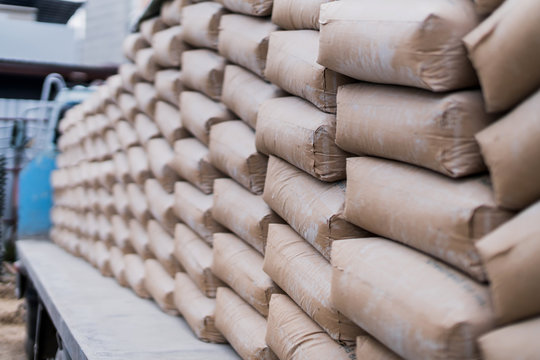
The strong earnings performance comes amid rising cement prices, with a 50kg bag selling between N13,000 and N15,000 in several Nigerian markets, further worsening construction costs and housing affordability.
A breakdown of the results showed that Dangote Cement generated N3.774 trillion in revenue, up 19.6 per cent, while profit after tax increased by 31.2 per cent to N974.8 billion.
Its Nigerian operations contributed N2.67 trillion, compared with N2.18 trillion in 2025, while its Pan-African business generated N1.19 trillion.
BUA Cement recorded a 26.5 per cent revenue increase to N1.087 trillion, with profit rising by 60 per cent to N463.1 billion. HBM Nigeria also posted N928 billion in revenue, representing 19 per cent growth, while profit increased by 31 per cent to N272 billion.
Collectively, the three companies generated N1.7 trillion in profit after tax, representing a 38 per cent year-on-year increase.
The rising earnings have drawn attention to the widening gap between cement manufacturers’ profitability and the affordability challenges facing Nigerians. A 50kg bag that sold for between N3,300 and N3,500 in 2021 now costs as much as N15,000 in some markets.
The Federal Competition and Consumer Protection Commission (FCCPC), in its preliminary investigation findings released in August 2026, raised concerns about possible price manipulation in the cement market.
Read Also: awoof-fair-naija-returns-to-port-harcourt
The commission noted that Nigeria had an installed cement production capacity of between 60 million and 65 million metric tonnes annually, against estimated domestic consumption of 25 million to 30 million tonnes.
It questioned why the country’s substantial production capacity had not translated into lower prices, as would ordinarily be expected in a competitive market.
Meanwhile, the Chief Operating Officer of InvestData Consulting Limited, Ambrose Omordion, attributed the manufacturers’ strong earnings partly to their pricing power, noting that demand for cement remained high because of Nigeria’s infrastructure and housing deficits.
He identified energy, transportation, financing and expansion costs as major operational challenges, adding that government intervention in power and logistics could help reduce production expenses.
Omordion also projected that the planned addition of 14.5 million tonnes of production capacity in 2027 could improve supply and encourage lower prices.
Similarly, the Chief Executive Officer of the Centre for the Promotion of Private Enterprise, Dr Muda Yusuf, cautioned against using revenue figures alone to assess the profitability or pricing practices of cement manufacturers.
He said a proper assessment required examining production costs, profit margins and other operating expenses.
Yusuf also argued that Nigeria’s housing affordability crisis could not be attributed solely to cement prices, citing the rising costs of land, electrical materials, iron rods, roofing sheets and plumbing supplies.
He called for greater competition in the sector and urged regulators to establish whether high prices resulted from profiteering or rising production costs.
Yusuf further identified inadequate rail infrastructure and the energy-intensive nature of cement production as factors contributing to the industry’s high operating costs.
