


The Federal Government on Thursday announced a 3D-printed prosthetics technology project to boost rehabilitation services, enhance accessibility to assistive devices and reduce Nigeria’s reliance on imported medical equipment.
Minister of State for Health and Social Welfare, Dr Iziaq Adekunle Salako, announced the scheme during a technology showcase event, held at the National Secretariat of Medical Rehabilitation Therapists Board (MRTB), Daki-Biyu, Jabi, on Thursday.
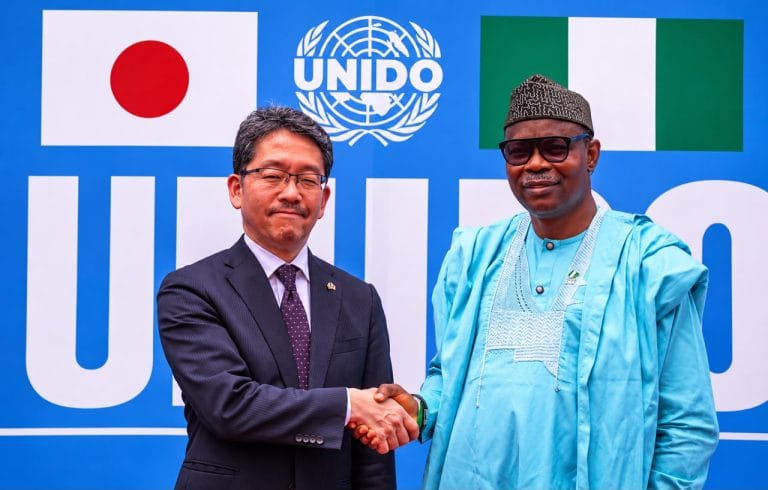
The Transferring Japanese 3D-Printed Prosthetics Technology to Support Landmine Victims in Africa project is funded by the Japanese Government and implemented by the United Nations Industrial Development Organization (UNIDO).
It was introduced in Nigeria in 2024 to upscale local expertise and modernise prosthetics and orthopaedic services.
Dr Salako noted that the technology involved in the project, which employs artificial intelligence-powered processes, digital scanning, computer-aided design and 3D printing, could enhance the production of prosthetic devices.
“The digitalisation of prosthetics production is expected to improve design consistency, shorten manufacturing time and reduce costs, benefiting patients who require rehabilitation services,” he said.
The minister noted that many Nigerians faced challenges in accessing prosthetic devices due to their high cost, limited availability of rehabilitation centres, shortage of skilled professionals and long production times. “This can hinder their mobility, education, employment and overall participation in society,” Salako said.
Equipment provided under the initiative includes special 3D printers and scanners, testing equipment, spares and consumables for the printers. However, Salako noted that technology alone could not replace comprehensive rehabilitation services.
“The assessment, fitting, training, maintenance and follow-up of patients with prosthetic devices by trained professionals are crucial to achieving positive outcomes,” he said.
He urged participating institutions to put in place appropriate mechanisms for the maintenance of the equipment, training of personnel, quality control and the regular supply of materials.
The minister said the Federal Government had allocated funds for the establishment of a state-of-the-art training centre at the MRTB. “This will support capacity-building and knowledge-sharing among Nigerians in the field of rehabilitation technology,” Salako said.
He encouraged Nigerian engineers, entrepreneurs, manufacturers and healthcare professionals to invest in rehabilitation technology as it could create skilled jobs, attract investment and boost Nigeria’s health technology industry.
The minister urged persons living with disabilities and their organisations to participate in the development and implementation of rehabilitation services, saying their input would ensure that the needs of people with disabilities were met.
The government said the initiative was part of its efforts to promote affordable assistive technology and build a sustainable rehabilitation system in Nigeria.
