


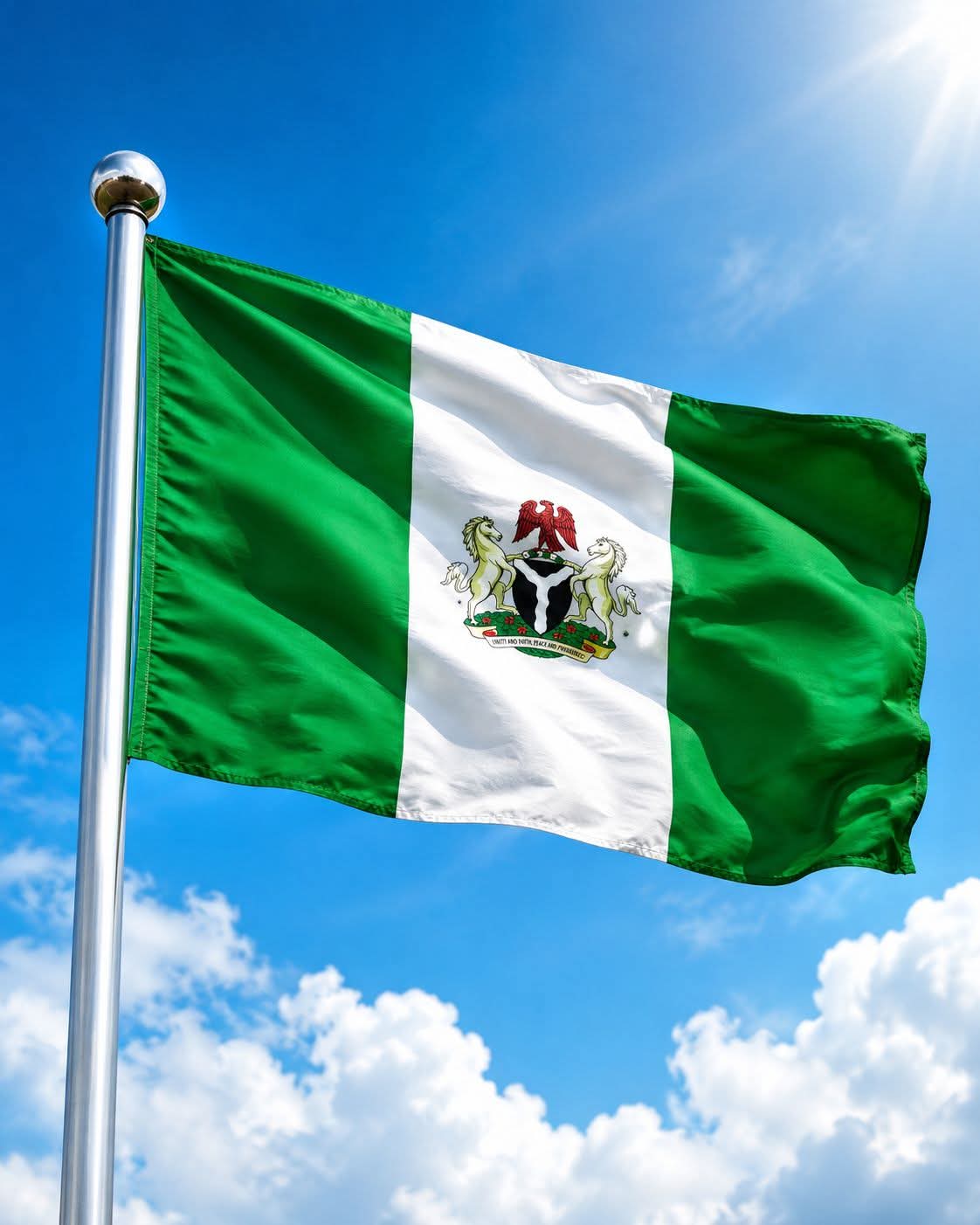
Nigeria is celebrating her independence anniversary on a stretcher reserved for invalid nations in the ward of permanent political emergency. Bandaged and battered, like a victim of multiple mishaps, and with a thousand drips keeping the inevitable end out of sight, it is not a pretty sight at all.
Wracked by an endemic and wearisomely familiar crisis of governance and orderly succession, the sirens have long ceased to announce its return to the casualty ward. It is a classic case of medical familiarity breeding clinical contempt.
Nigeria is a fortunate country, unfortunately inhabited by political caterpillars and pretentious sycophants whose democratic expediency is ensconced within the parapet of parliamentary roguishness and executive pretentiousness, where the parasitic plundering of the nation’s lean resources under the guise of frivolous and dubious allowances has become the status quo. The ignoble and ungodly liquidation of the naira, galloping inflation, and the skyrocketing prices of foodstuffs have simply added insult to injury.
Nigeria is a blessed land endowed with vast natural resources, abundant mineral wealth including huge crude oil and gas reserves, large deposits of various solid minerals, fertile agricultural lands, educated but relatively cheap labour, a large and vibrant population, and a significant domestic market. It is, however, disheartening that despite our endowment with all these resources, the economy has been in steep decline over the past two decades.
Poverty became a Nigerian in the early 1990s when Nigerians began scavenging for food from open refuse bins. The unholy emergence of a kleptomaniac bunch of lawmakers on the floor of our hallowed parliamentary chambers is, no doubt, a reflection and continuation of our flawed political history, rife with the protracted dominance of rapacious military brass hats, self-aggrandizing moneybags, and rampaging political buccaneers.
The poor and the unemployed are not merely revolting against the arrogance and hypocrisy of insensitive politicians. They are equally unhappy and disillusioned by perennial internal crises, shocked by abject poverty, and angered by excruciating suffering. Their protest against society is a curious combination of social snobbery and militant radicalism.
To remedy this protracted malady, Nigeria must transcend cosmetic surgery and embrace fundamental structural re-engineering. This demands a radical de-monetization of the polity, entrenchment of true federalism that guarantees resource control and fiscal justice, uncompromising war against corruption through strengthened institutions, electoral reforms that restore integrity to the ballot, and a conscious investment in human capital and production over consumption.
Only through visionary leadership, patriotic citizenship, and collective resolve to dismantle the paraphernalia of parasitic governance can Nigeria rise from the stretcher and reclaim her destiny as a truly independent and prosperous nation.
Onyeche Wofurum Igwe, also known as Humble Lion, a journalist, social critic, and human rights crusader, writes from Egbeda Community in Emohua LGA of Rivers State.
By Onyeche Wofurum Igwe
