


The Federal Government has uncovered more than 58,000 students illegally admitted into colleges of education across Nigeria, warning that institutions involved in similar practices will face stricter sanctions.
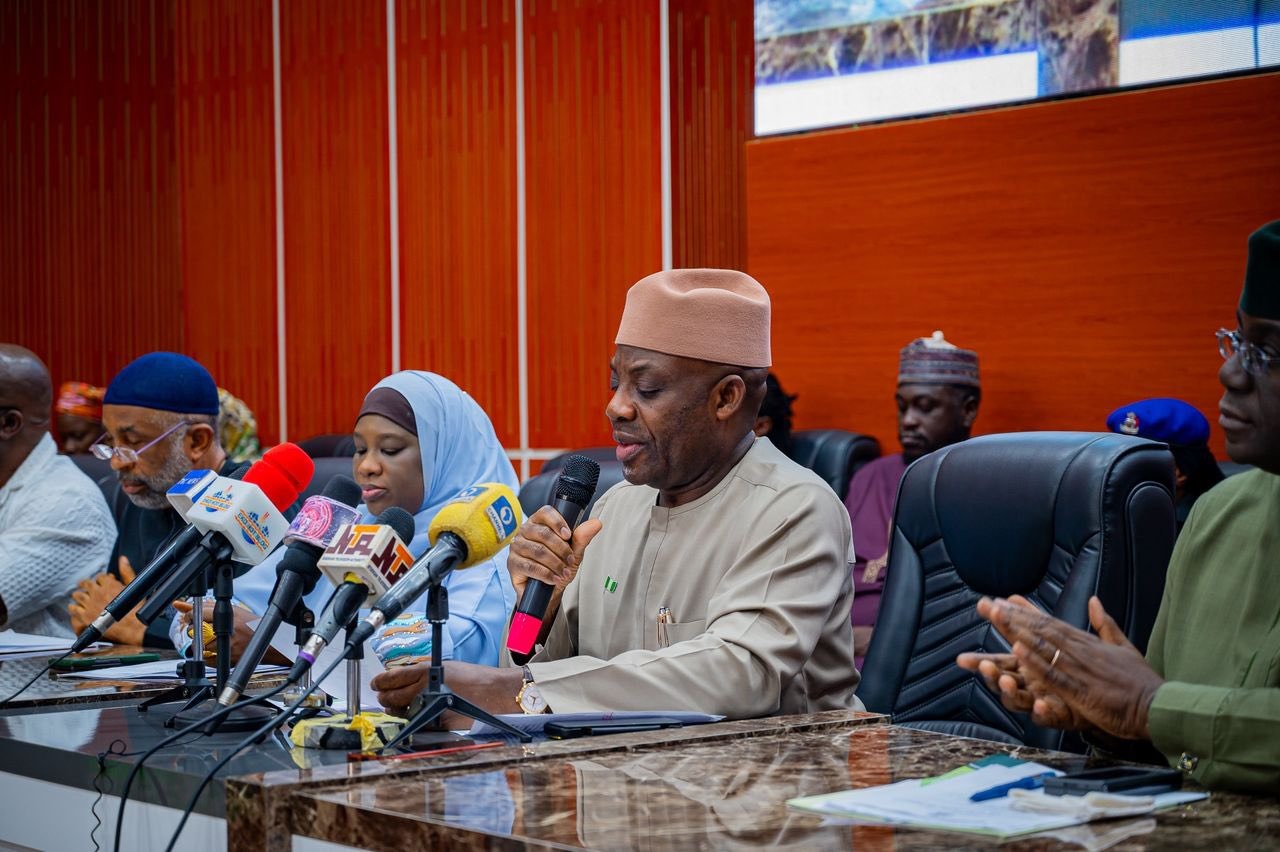
Minister of Education, Dr. Tunji Alausa, disclosed this on Wednesday in Abuja at the inauguration of a ministerial committee on strengthening accreditation and quality assurance in tertiary institutions.
The committee is chaired by the former Registrar of the Joint Admissions and Matriculation Board (JAMB), Prof. Ishaq Oloyede.
Alausa said the number of illegal admissions discovered so far was significantly higher than the 5,600 initially identified when the investigation began.
He described the findings as alarming, citing the case of one institution that legally admitted 8,593 students but enrolled an additional 9,872 students outside approved admission procedures.
According to the minister, the figure means the institution admitted more students illegally than it did through the legitimate process.
Alausa said the government would regard the current exercise as a one-time amnesty and would no longer tolerate the regularisation of illegal admissions through what he described as “condonement.”
Read Also: obio-akpor-approves-n170m-back-to-school-support
He further disclosed that the problem extends beyond colleges of education, estimating that universities alone could have more than 200,000 students who were admitted outside approved procedures.
He said investigations into polytechnics and other tertiary institutions were also ongoing.
The minister attributed the illegal admissions largely to institutions exceeding their approved admission quotas and programme capacities, warning that the practice undermines academic standards and contributes to the declining quality of graduates entering the labour market.
Alausa also criticised institutions for manipulating accreditation exercises by temporarily relocating lecturers, equipment and other facilities to meet regulatory requirements during inspection visits.
To address the problem, he directed that accreditation should move away from periodic inspections towards a continuous, technology-driven quality assurance system.
Under the proposed system, student enrolment, staffing, facilities and equipment would be monitored in real time to ensure that institutions consistently comply with approved standards.
The minister warned that regulatory officials who fail to enforce established standards could lose their jobs, while private institutions found guilty of serious violations could have their operating licences revoked.
Alausa charged the Oloyede-led committee to recommend practical reforms that would close existing loopholes, improve transparency and accountability, and restore public confidence in Nigeria’s tertiary education system.
