


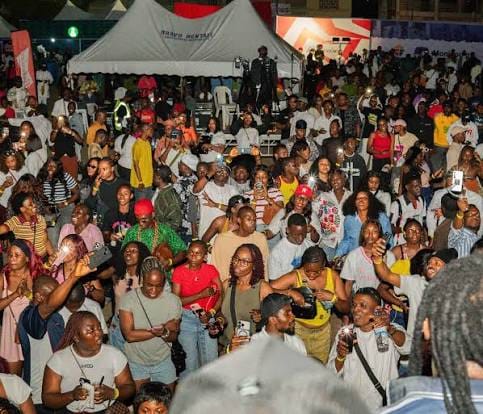
Port Harcourt knows how to gather a crowd. The Bole Festival, which began in 2016, turned ten this year. Food, music, and culture draw people, and people spend money. But we don’t ask enough: when the closing act leaves the stage, what is left for the singer, the filmmaker, the comedian, and the dancer who made the night? Applause is not a salary.
Nollywood argues for why this matters. The industry is often credited as having taken off in 1992 with Living in Bondage. The film reached buyers through markets in cities like Lagos and Enugu.
Historians still argue over whether it was the first commercial video film, since some say the video film industry was already booming before it. The lesson holds.
The Nollywood industry grew from a story that people wanted to become a product. A product that could be sold and a distribution route to the buyers. It did not wait for a festival to make it real.
Now compare Port Harcourt. We have the stories, the voices, and the crowds. What we lack are the links: recording studios an unsigned artist can afford, production funding, regular paid bookings, and a way to reach buyers beyond our own streets.
Picture the songwriter with no studio, the filmmaker with a strong script and no distributor, and the comedian who is loved by the crowd and never gets a second booking. Their problem is not talent. It is that nothing connects talent to a livelihood.
A Nigerian state showed that it can be done differently. Carnival Calabar was reintroduced in 2004. Right now its chairman claims it has created more than 40,000 direct jobs in the creative industry. Those figures come from the organizers. The state government has described its role as an enabler and regulator rather than the sole financier, leaving room for the private sector. The carnival is treated as a business, not a party.
So what should Rivers State do?
Train emerging local artists. Festival organizers can offer paid slots, open auditions, and mentorship so local talent is not filler between headliners.
Build the infrastructure. Governments, investors, and cultural groups can back rehearsal rooms, small studios, theaters, and film distribution, and judge each project by who can use it.
Keep the stage lit all year. Regular shows, screenings, comedy nights, and exhibitions give artists work and give audiences a habit.
Teach the business side. Contracts, copyright, budgeting, and fair pay can decide whether an artist survives.
Let sponsors do more than print a logo. Companies that fund festivals can also support year-round programs and young creative businesses.
The payoff goes beyond pride. A working industry means jobs for engineers, editors, lighting crews, designers, event managers and venue owners, plus visitors who spend on hotels, food and transport. But none of it is happening now. Not every artist will make it. That’s certain. A plan is better than hoping the next festival fixes everything.
Port Harcourt has already proved it can bring the crowd together. What will we build for the people who’re still there after the crowd goes home?
