


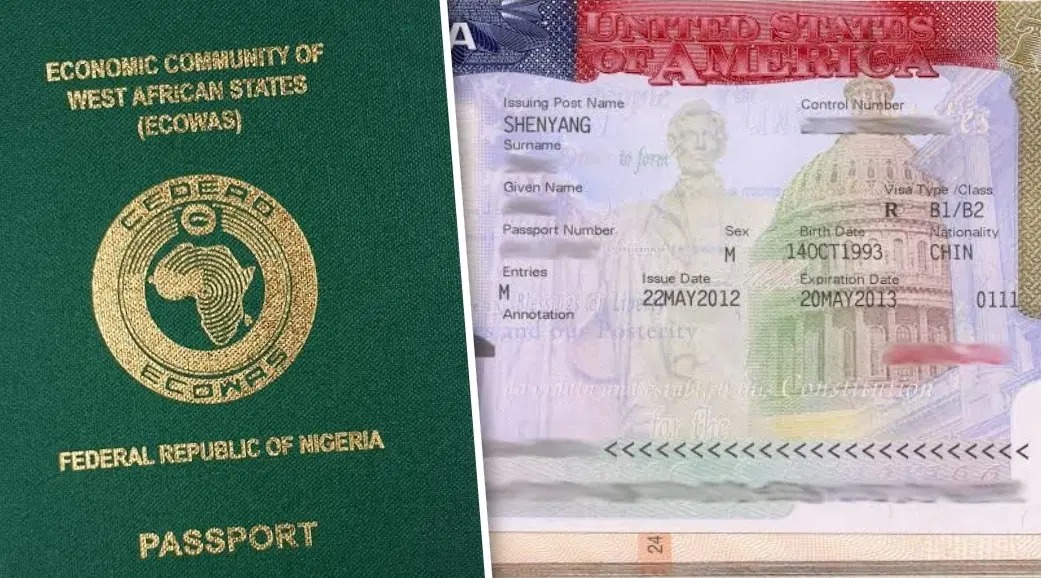
Nigerians planning to relocate to the United States may face further uncertainty following the suspension of immigrant visa processing at US embassies and consulates worldwide under the Donald Trump administration.
The US State Department confirmed that the adjustment began in early August, with some applicants whose interviews had already been scheduled reportedly receiving cancellation notices by email.
The affected applicants are expected to receive new appointment dates, although the State Department has not announced when the cancelled interviews will resume.
The department said the changes were linked to “in-depth training” for consular officers to strengthen the assessment of visa applicants and ensure greater consistency in the process.
The development could affect Nigerians pursuing family-based immigration and other lawful routes to permanent residence in the US, particularly those who have already spent money on application fees, travel arrangements and other preparations.
Read Also: stakeholders-pushes-for-water-policy-that-recognises-indigenous-rights
The Financial Times reported that the move is also connected to the Trump administration’s efforts to prevent immigrants from becoming dependent on US government welfare programmes.
The latest action is part of a broader tightening of US immigration policy. The administration has also increased scrutiny of visa applicants, including reviews of social media activity and other background checks.
Meanwhile, immigration lawyers and advocates have criticised the suspension, warning that applicants could suffer significant financial losses and prolonged delays.
The US government has not given a definite timeline for the resumption of the affected appointments, leaving prospective immigrants, including Nigerians, waiting for further instructions from American diplomatic missions.
The development adds to growing uncertainty surrounding US immigration procedures as the Trump administration continues to introduce stricter measures for people seeking to enter the country legally.
