


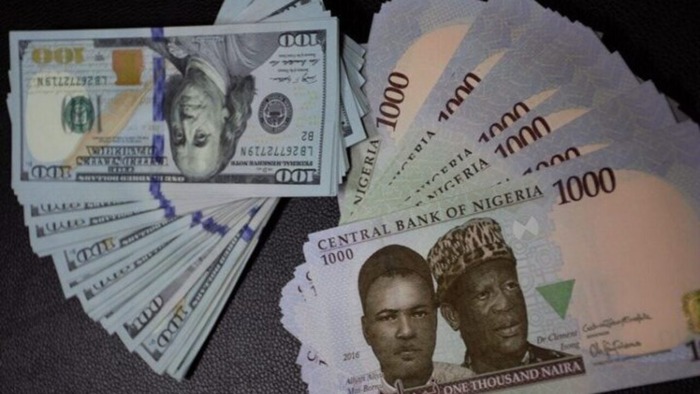
The Nigerian naira maintained its robust performance against the United States dollar on Tuesday, August 18, 2026, driven by recent gains in the official Nigerian Foreign Exchange Market (NFEM) alongside steady conditions in the parallel market.
Fresh official figures showed the naira settled at approximately ₦1,350 per dollar at the NFEM on Monday, August 17, firming up from the ₦1,358.25/$ mark registered on Friday, August 14. Figures released by the Central Bank of Nigeria (CBN) revealed that the August 17 NFEM rate reflected a gain of ₦8.25 or roughly 0.6 percent marking the naira’s highest closing valuation since April 22, 2026.
By Tuesday morning, live USD/NGN tracking metrics pegged the dollar at roughly ₦1,352.22, showing that the naira hovered near the ₦1,350/$ band in early trading.
Over in the parallel segment, the dollar was valued at nearly ₦1,407 for bids and ₦1,420 for offers, according to current Bureau De Change quotes. Consequently, buyers requesting $1,000 require approximately ₦1.42 million, whereas sellers offering $1,000 can expect around ₦1.407 million.
The parallel-market offer rate of ₦1,420 sits roughly ₦70 higher than the latest ₦1,350 official NFEM benchmark, creating a spread of about 5.2 percent between both segments.
Also see: WAEC Faces Backlash Over 2026 Results and Suspected Marking Discrepancies
The naira’s ongoing rally in the official segment stems from improved foreign exchange liquidity and expanded dollar supply. Official metrics further highlight sustained stability across the currency market following the naira’s movement from ₦1,365.69/$ the preceding week to ₦1,357.61/$ on August 17, prior to the subsequent advance to around ₦1,350/$ noted by market analysts.
Stakeholders will keep close tabs on dollar inflows, commercial and import demand, crude oil revenue, foreign portfolio investments, diaspora inflows, and Central Bank of Nigeria policy moves to gauge the naira’s upcoming path.
Note that parallel-market quotes frequently fluctuate based on geography, volume, and merchant, whereas the official NFEM rate represents the volume-weighted average calculated from trades conducted across Nigeria’s formal foreign exchange market.
Rates remain subject to change throughout the day alongside shifting market dynamics.
