


A public health physician, Dr. Kanu Chukwuneye, has called on food regulatory agencies to thoroughly screen cookies, gummies and other snacks before they are allowed into the Nigerian market.
Chukwuneye, a Consultant Public Health Physician at the University of Port Harcourt Teaching Hospital, UPTH, made the call while reacting to concerns raised by the National Drug Law Enforcement Agency, NDLEA, over cannabis-laced snacks reportedly being introduced into the market.
He urged parents to carefully examine the products they purchase for their children, particularly snacks packaged without adequate product information.
According to him, regulatory agencies must strengthen checks on food products to prevent prohibited substances from being concealed in snacks commonly consumed by children and young people.
Read Also: mo-abudu-announces-launch-of-ebonylife-place-in-london
Chukwuneye, who is the immediate past Chairman of the Association of Public Health Physicians of Nigeria, Rivers State chapter, suggested that the desire by some producers to increase sales could be contributing to the emergence of such products in the market.
He said stronger regulation and surveillance were necessary to protect consumers, particularly children, from unknowingly consuming substances capable of affecting their health and development.
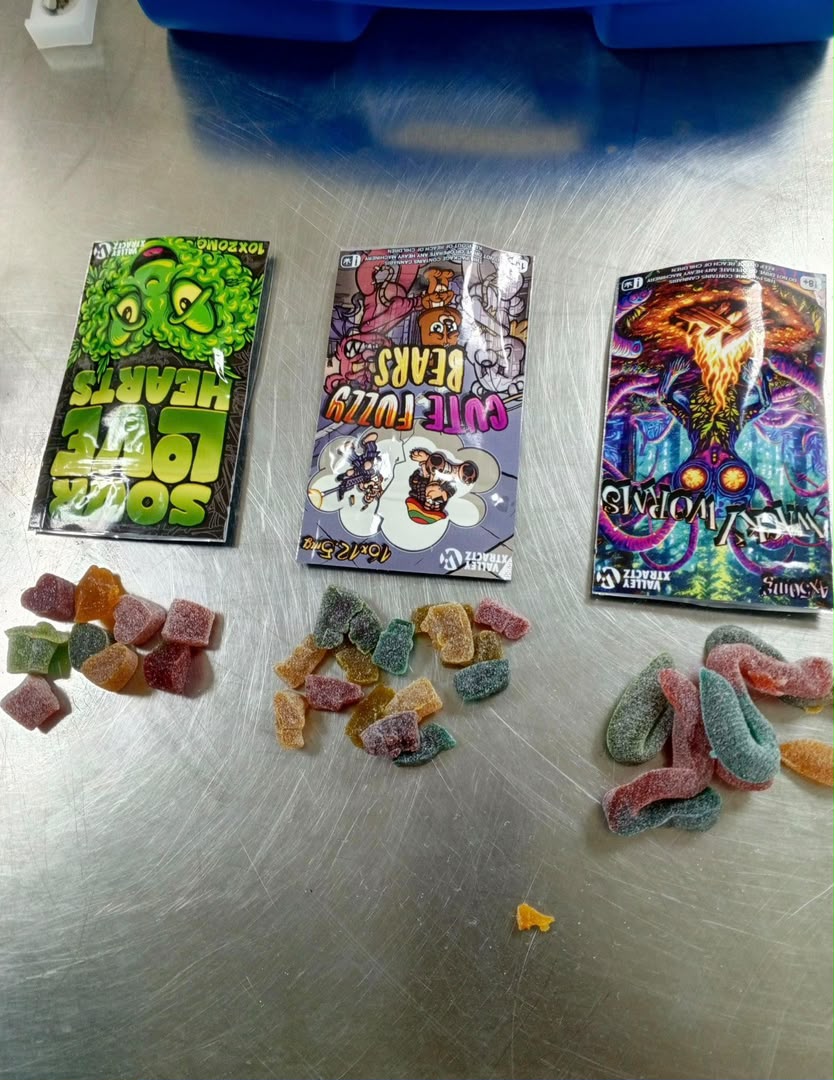
The NDLEA had recently raised the alarm following the seizure of two 40-foot containers containing large quantities of cannabis-infused products.
According to the agency, the seizure exposed attempts by criminal elements to introduce prohibited substances into the country under the guise of everyday snacks consumed by children and youths.
In a statement, NDLEA Director of Media and Advocacy, Femi Babafemi, said the seized consignment included thousands of Delta-8 cannabis pre-roll cookies, packs of cannabis-infused gummies and other cannabis-infused cookies.
The agency estimated the combined street value of the products at about N374 million.
Gummies are stretchy, chewy sweets commonly enjoyed by children, while some products are reportedly sold in plain or unlabelled packaging, making it difficult for consumers to identify their contents.
