


Nigeria’s education authorities are giving publishers a bit of financial breathing room ahead of a major shake-up in how textbooks get approved for schools.
The Nigerian Educational Research and Development Council (NERDC) has slashed its textbook assessment and ranking fees, and says publishers who already paid the old, higher rates will get their money back. The announcement came in a statement from the Council’s Executive Secretary, Prof. Salisu Shehu, released Wednesday in Abuja.
Under the new pricing, the per-page assessment fee drops from ₦2,000 to ₦1,500, while the ranking fee for each textbook title falls sharply from ₦1 million down to ₦750,000. Shehu said the changes take effect immediately and are meant to lighten the load on publishers and authors as they go through the Council’s evaluation process.
Anyone who already paid the higher fees won’t need to resubmit new textbooks to benefit NERDC says refunds are coming, though details on how that process will work are still being finalized.
Also see: NPC Opens Nationwide Digital Birth, Death Registration Portal
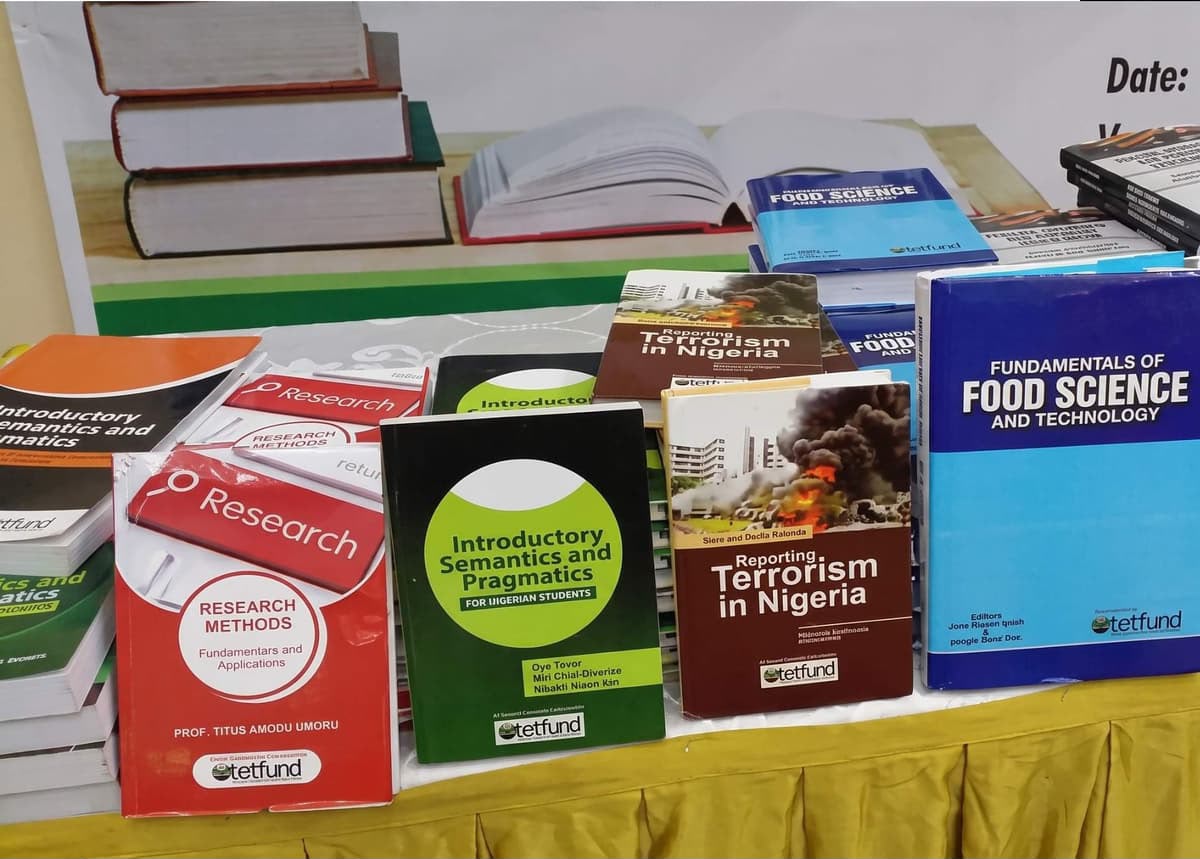
The timing isn’t random. This fee cut arrives just as the Federal Government gears up to roll out its National Textbook Ranking System, a policy pushed by Education Minister Dr Tunji Alausa to clean up Nigeria’s textbook market.
Starting September 2026, only textbooks that have gone through NERDC’s full assessment and ranking process will be allowed in classrooms books that haven’t been ranked will be phased out, even if they were previously approved.
Alausa has framed the policy as a response to the flood of low-quality textbooks currently in circulation. Going forward, NERDC’s usual approval process alone won’t cut it; every textbook will also need to pass a more thorough review by expert panels before it’s cleared for use in schools.
The ranking system is part of a broader push under the Renewed Hope Agenda to fix learning outcomes in Nigeria, which also includes new nationwide learning assessments, restored e-libraries in Unity Colleges, and expanded digital learning tools all aimed at tackling what the government estimates is a learning crisis affecting roughly 42 million Nigerian children.
