


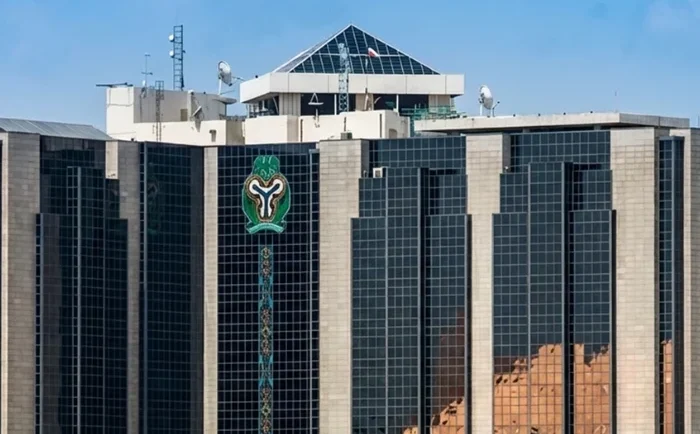
The Central Bank of Nigeria (CBN) has identified foreign exchange transaction processes and cross-border payment bottlenecks as key areas of reform to strengthen Nigerian businesses’ participation in regional and international trade.
The apex bank said initiatives including the 2026 Foreign Exchange Manual, Electronic Foreign Exchange Matching System (EFEMS), Nigerian FX Code and Pan-African Payment and Settlement System (PAPSS) were designed to improve transparency in the foreign exchange market and facilitate international payments.
CBN Director of Stakeholder Engagement and Institutional Relations, Mrs Hakama Sidi-Ali, disclosed this during the Bank’s Special Day at the 40th Lagos International Trade Fair, organised by the Lagos Chamber of Commerce and Industry (LCCI).
She described the 2026 Foreign Exchange Manual as a major step towards modernising foreign exchange transactions, particularly in trade documentation, export processes and cross-border payments.
Sidi-Ali said EFEMS and the Nigerian FX Code would strengthen price discovery, transparency and market discipline following the unification of Nigeria’s foreign exchange windows.
Read Also: cleanace-makes-global-top-two-leads-africa-in-textile-care
She noted that the reforms would help importers, exporters, manufacturers and investors make better business decisions by reducing uncertainty in foreign exchange transactions.
On regional trade, she said PAPSS could make payments easier for Nigerian businesses operating across Africa and support opportunities under the African Continental Free Trade Area (AfCFTA).
Sidi-Ali also stressed the importance of macroeconomic stability, saying businesses needed a predictable environment to plan production, determine prices and make investment decisions.
She disclosed that headline inflation declined to 14.63 per cent in September 2026, from 34.8 per cent in November 2024, although households and businesses continued to face significant cost pressures.
The CBN director also recalled that the Monetary Policy Committee reduced the Monetary Policy Rate from 26.5 per cent to 23 per cent at its September 2026 meeting, alongside adjustments to the standing facilities corridor.
She added that the Bank’s recapitalisation programme was intended to strengthen financial institutions’ capacity to finance productive activities, support international trade and withstand economic shocks.
