


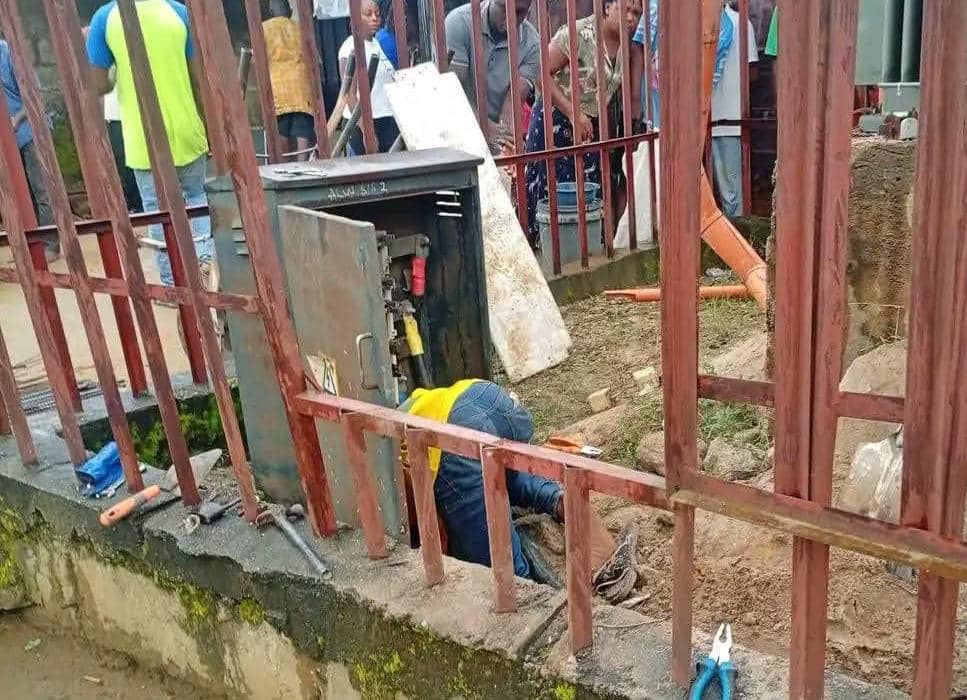
The death of an electrician who was electrocuted while reportedly repairing a transformer in Mbodo Aluu, Rivers State, is another painful reminder of the dangers associated with unauthorized electrical work.
According to eyewitnesses, the victim was working on electrical cables connected to the transformer when he suffered a fatal electric shock, leaving residents of the community devastated by the tragic incident.
While the circumstances surrounding the repair are still being discussed, the incident raises a broader concern that extends beyond one individual. It draws attention to the growing culture of unauthorized electrical intervention, where individuals attempt to repair transformers, reconnect power lines or carry out other high-risk electrical jobs without the approval, supervision or safety standards required for such operations.
Electricity is unforgiving. Unlike many other occupations where mistakes may result in minor injuries, electrical engineering leaves virtually no room for error. High-voltage installations such as transformers require extensive technical knowledge, specialized equipment and strict compliance with safety procedures.
Every repair begins with ensuring that the power supply has been properly isolated, tested and certified safe before any work can commence. Ignoring these procedures can turn a routine repair into a fatal accident within seconds.
One of the most disturbing aspects of many unauthorized electrical interventions is the complete absence of personal protective equipment. Safety helmets, insulated gloves, dielectric safety boots, flame-resistant clothing and insulated tools are not optional accessories; they are essential safeguards designed to reduce the risk of fatal injuries. Anyone approaching energized electrical infrastructure without these protections is exposing themselves to life-threatening danger.
Beyond the absence of safety gear lies an even greater concern: authorization. Transformers and other public electricity infrastructure are not facilities that individuals should repair on personal initiative, regardless of their level of experience. Such installations fall under the responsibility of the electricity distribution company and trained personnel who understand the operational risks and follow established safety protocols.
Also see: How Public Engagements Ensured the Return of the Oyo Children
Unfortunately, in many communities, damaged transformers, snapped conductors and faulty electrical installations often prompt residents to seek the services of informal technicians in an effort to restore electricity quickly. While the desire to regain power is understandable, bypassing established procedures can produce irreversible consequences. A few hours without electricity can be inconvenient, but the loss of human life is permanent.
The incident in Mbodo Aluu should therefore serve as an opportunity for public reflection. Communities across Port Harcourt and Rivers State must cultivate a stronger safety culture by resisting the temptation to authorize unofficial repairs on public electrical facilities.
Whenever transformers develop faults, cables become damaged or electricity infrastructure poses a threat, the appropriate response is to notify the relevant electricity distribution authority rather than encourage individuals to undertake dangerous repairs.
Residents also have a responsibility to discourage unsafe practices instead of applauding risky attempts to restore power. No amount of technical confidence can replace the safeguards provided by proper authorization, professional training and strict adherence to safety regulations.
Electricity demands respect, expertise and discipline. When faults occur, the safest decision is not to climb a transformer or attempt a repair, it is to contact the appropriate electricity authorities and allow qualified professionals to carry out the work safely. In matters involving high-voltage electricity, caution is not merely advisable; it is the difference between life and death.
