


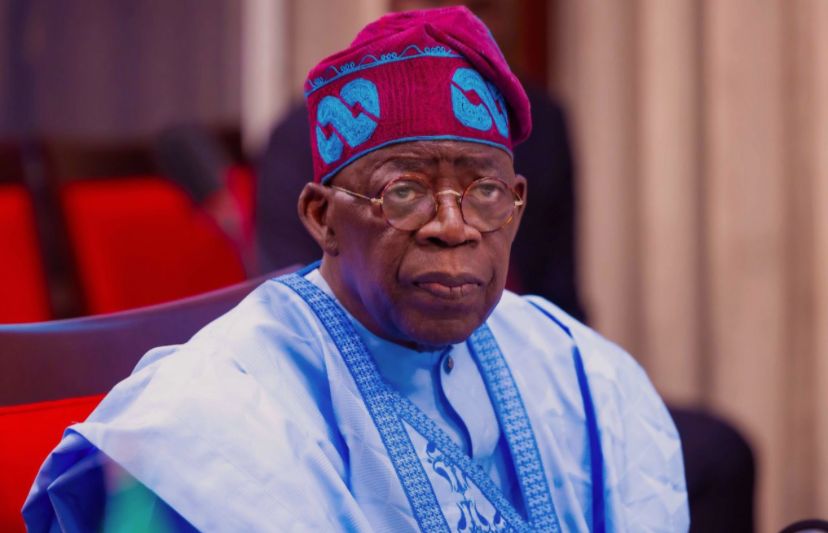
The Federal Government states that energy reforms introduced by President Bola Tinubu have positioned gas as the main driver of Nigeria’s industrialisation.
Special Adviser to the President on Energy, Mrs Olubukola Arowolo Verheijen, made the declaration in Lagos this week at the Nigerian British Chamber of Commerce (NBCC) Energy Day event.
She said the reforms restored investor confidence, raised the share of cost-reflective electricity tariffs to 45 percent, and increased the national metering rate to about 57 percent.
Mrs. Verheijen explained that gas serves as Nigeria’s development fuel. She noted that the country holds proven gas reserves of more than 215 trillion cubic feet. Production has increased, but the main goal remains to use gas for power generation, fertiliser production, petrochemicals, clean cooking, CNG transport, exports, and manufacturing.
She described government bond instruments for the power sector as a strategic reset that clears verified arrears and improves liquidity. “Additional reforms support this reset,” she added. Hundreds of thousands of new meters are deployed every year, and tariffs now link to service quality in 45 percent of the market.
The reforms also brought back capital to the oil and gas sector. Nigeria’s share of African upstream final investment decisions rose from about 4 percent in 2023 to roughly 40 percent in 2025.
Mr Emeka Morah, who represented Renaissance Africa Energy Company Limited, said Nigeria must use its domestic gas to power industrial growth.
NBCC President Mr Abimbola Olashore noted that recent reforms create new opportunities in investment, power, gas development, and renewables.
Aradel Holdings CEO Mr Adegbite Falade stressed the need to produce cleaner and more reliable energy to support broad-based economic growth, skills development, and national prosperity.
